Culture
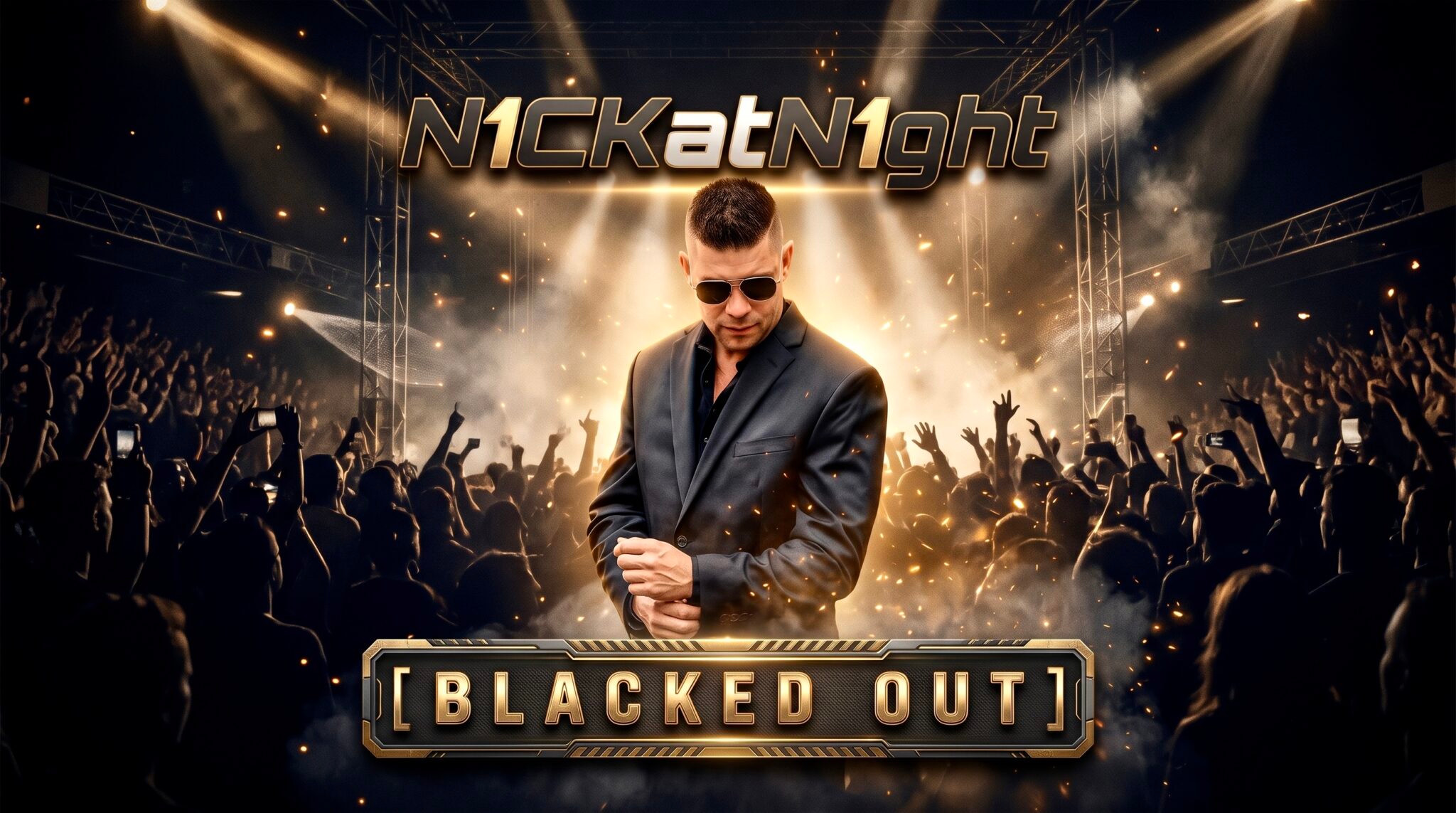
What Nick Caster’s Four-Track Blacked Out EP Actually Contains
Nick Caster’s “Blacked Out” counts four entries but only one composition, from its Radio Edit to its closing World Mix.
Original perspectives from News Magazines.
Nick Caster’s “Blacked Out” counts four entries but only one composition, from its Radio Edit to its closing World Mix.
KJ, Kool, Dancer and Duck have performed together since 2010. Their records and videos give listeners a way to follow that history.
The artwork for the upcoming 16-track release asks listeners to look beyond an individual song or guest credit.
Vernon “V-LO The Maestro” Wiggins is adding new screen work to a career that already spans hip-hop, acting and film production. The Washington, Louisiana native’s latest updates include an ESPN commercial appearance and a conversation with professional wrestler Deonna Purrazzo on The Winning Culture Podcast.
Des Cohen’s 2026 story combines music and professional development. The South Oak Cliff artist has released Poppin with Wiz Khalifa, entered a distribution partnership with 440 Artist and added BLESSED to his catalog on November 20.
The Dopeish Records artist points listeners toward GTFO, With Me, Coolio and What A Burger, bringing his solo work and collaborations into one conversation.
One collaboration has a November streaming date; the other has been available since 2025.
The second single from No Sleep Till Success brings a soulful production direction and a guest verse from Cloak’s Pendulum Ink dean.
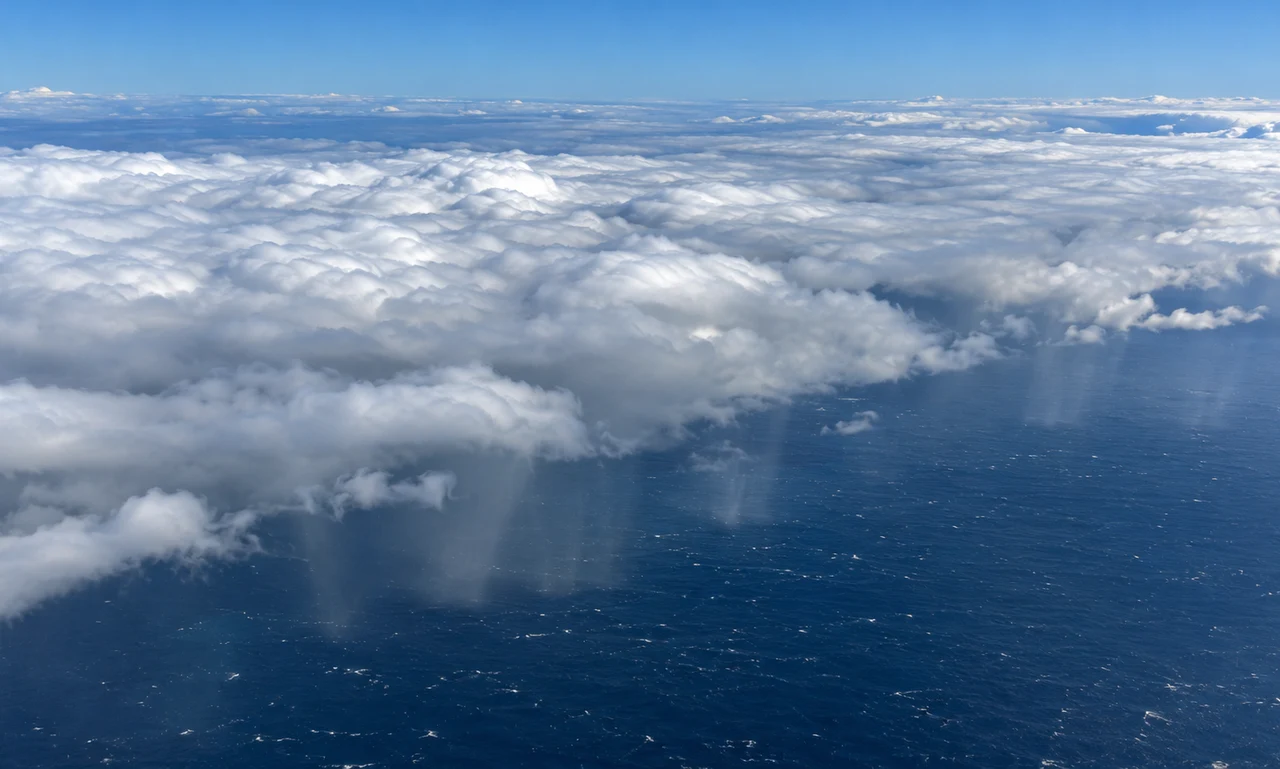
EarthCARE observations show how drizzle can trigger a feedback loop that breaks bright marine clouds into more open patterns.
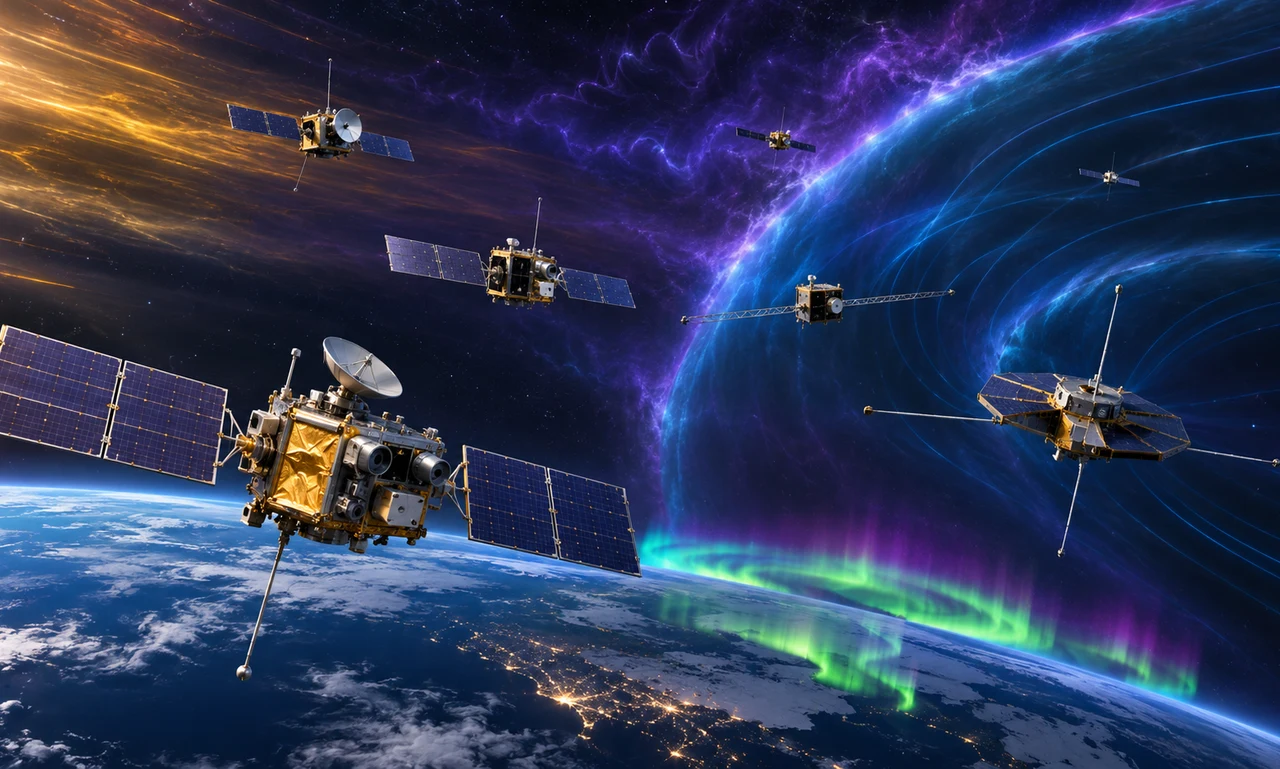
ESA has selected Plasma Observatory to connect fast local events with large changes across Earth’s magnetic environment.
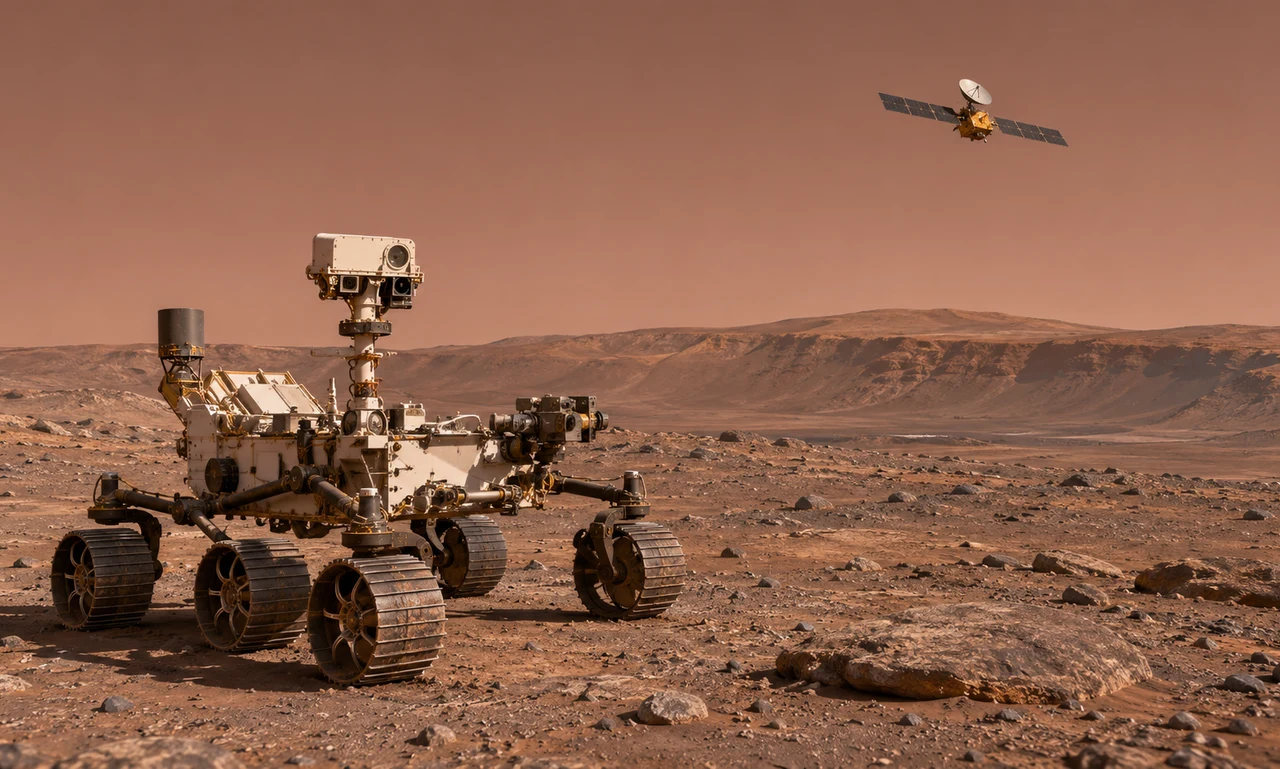
Perseverance remains stable while engineers examine its relay radios, as Odyssey teams separately test a malfunctioning reaction wheel.
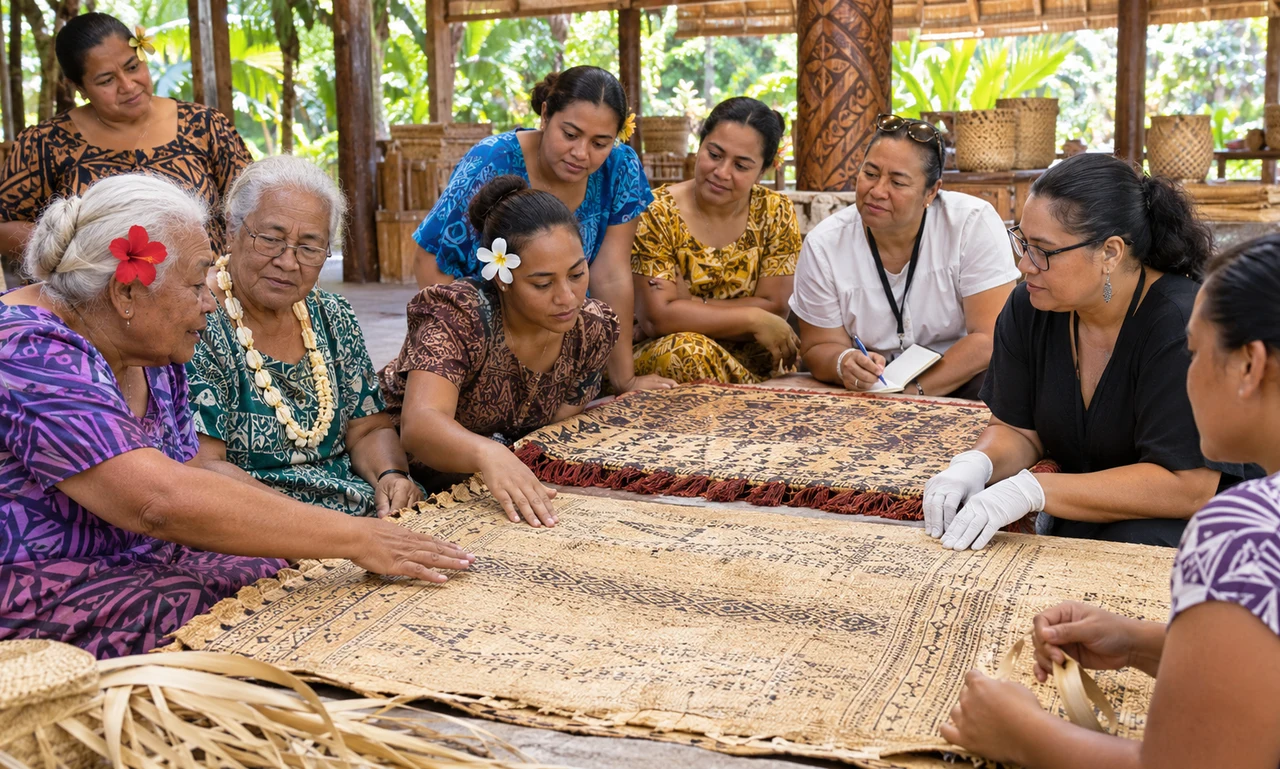
The temporary return of ‘Ie Sina and ‘Ie Fuipani is bringing community memory into dialogue with museum conservation and documentation.
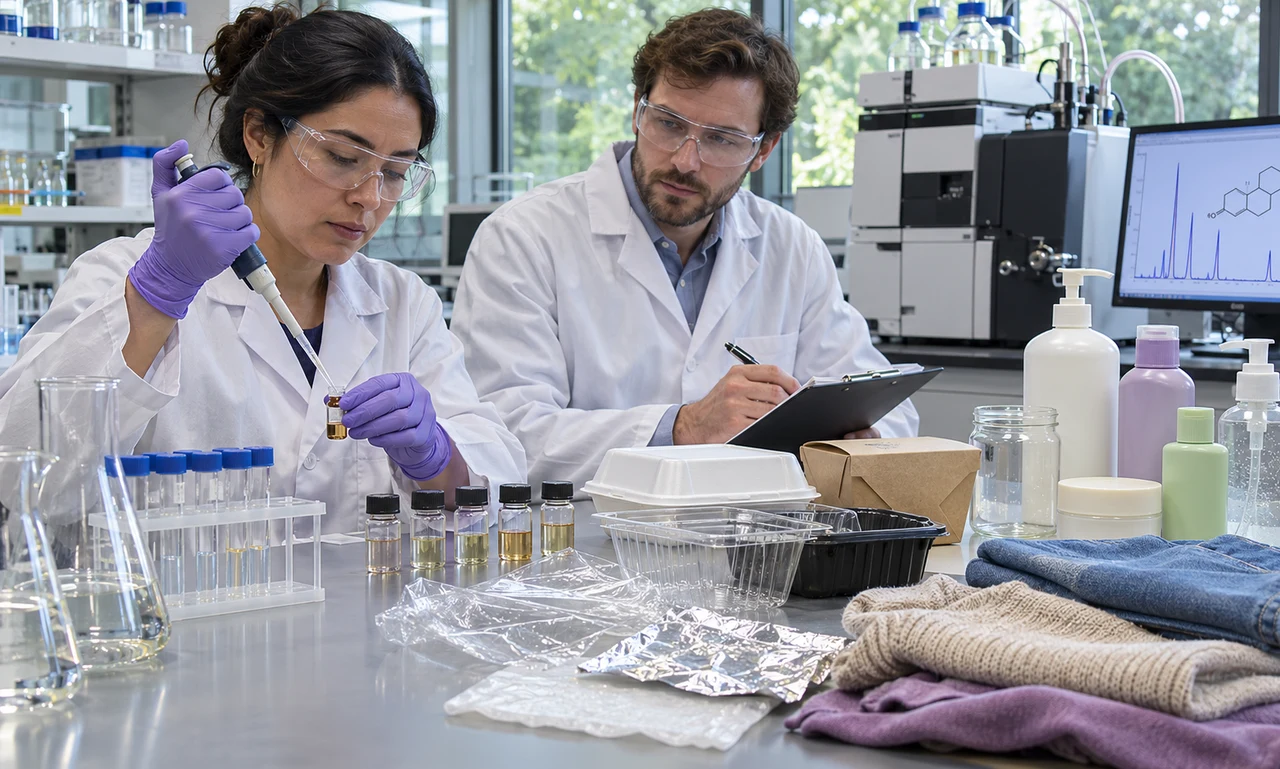
A major UNEP–WHO assessment finds stronger evidence linking hormone-disrupting chemicals with effects across human and wildlife health.
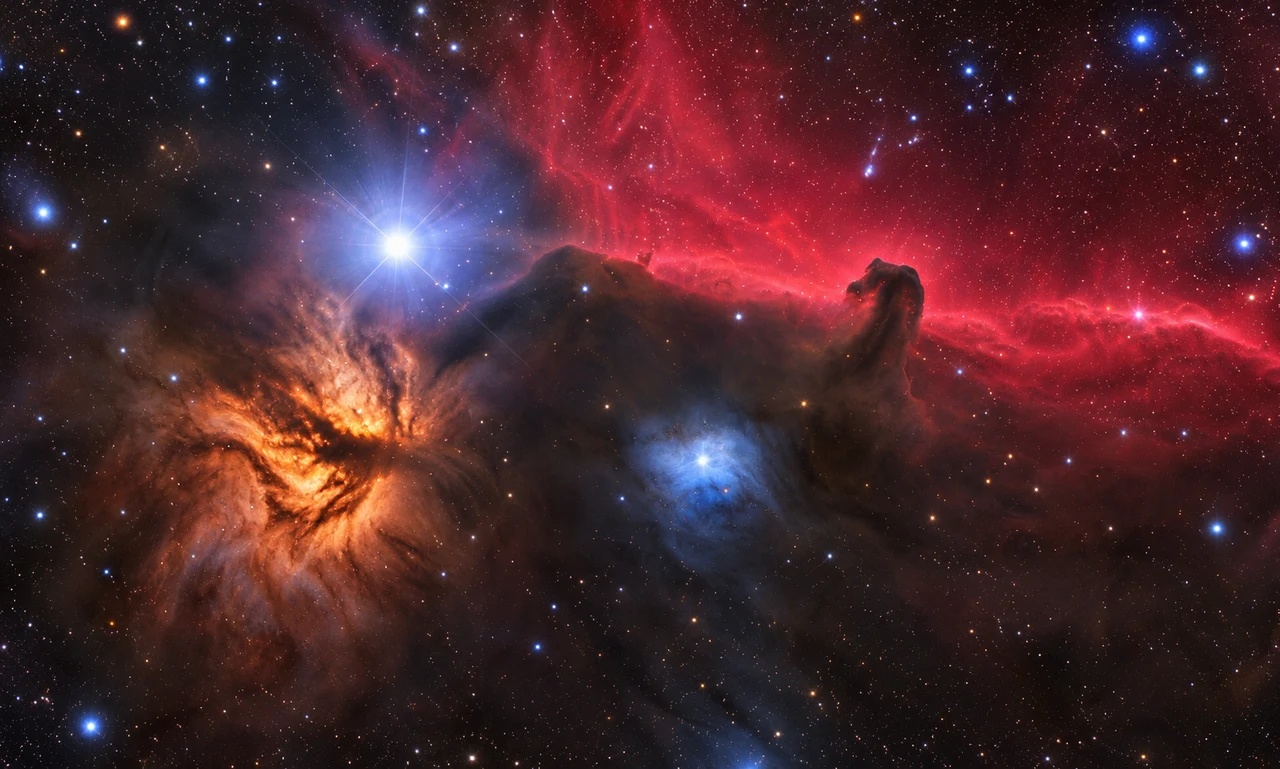
A deep view of Orion’s molecular clouds shows dark dust, newborn stars and glowing hydrogen sharing one intricately sculpted region.
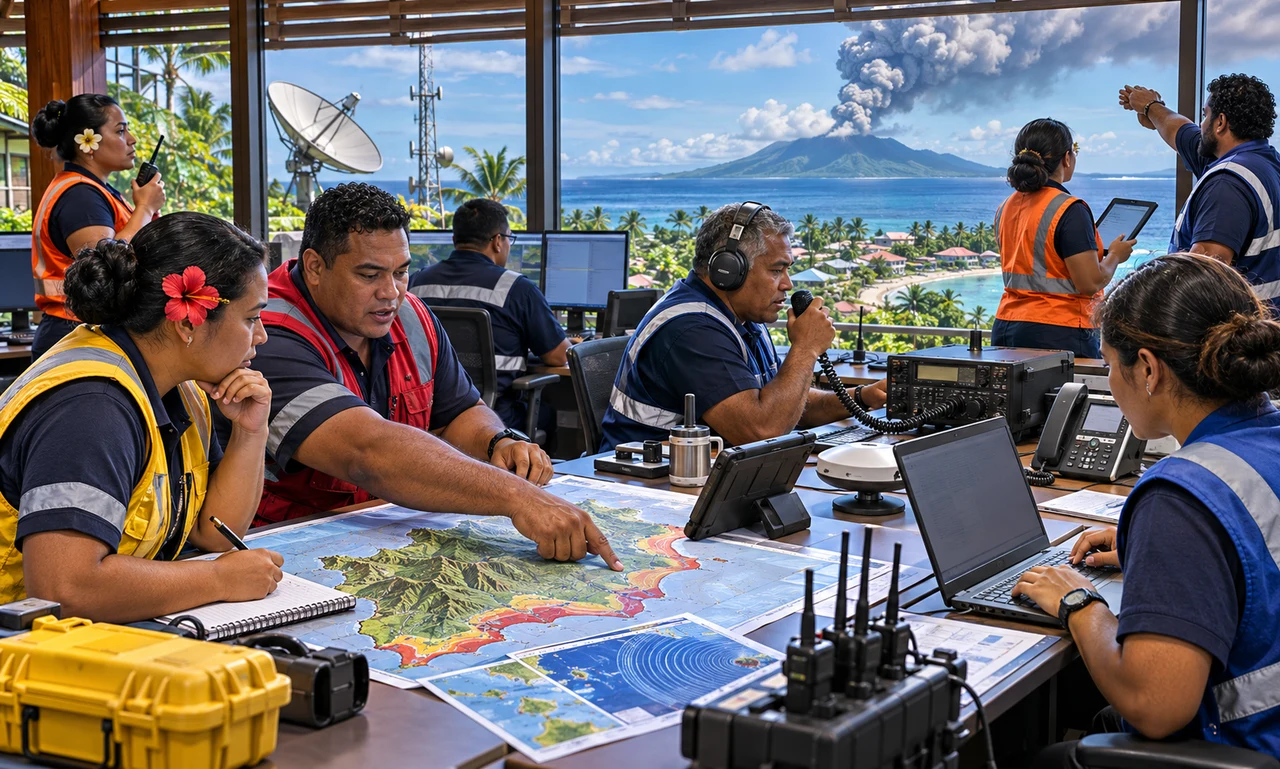
Pacific Wave 2026 simulated overlapping volcanic tsunamis to test warnings, backup communications and national coordination.
A workshop in Quanzhou brought chefs and researchers together to explore how recipes, tea, porcelain and family customs carry living heritage.
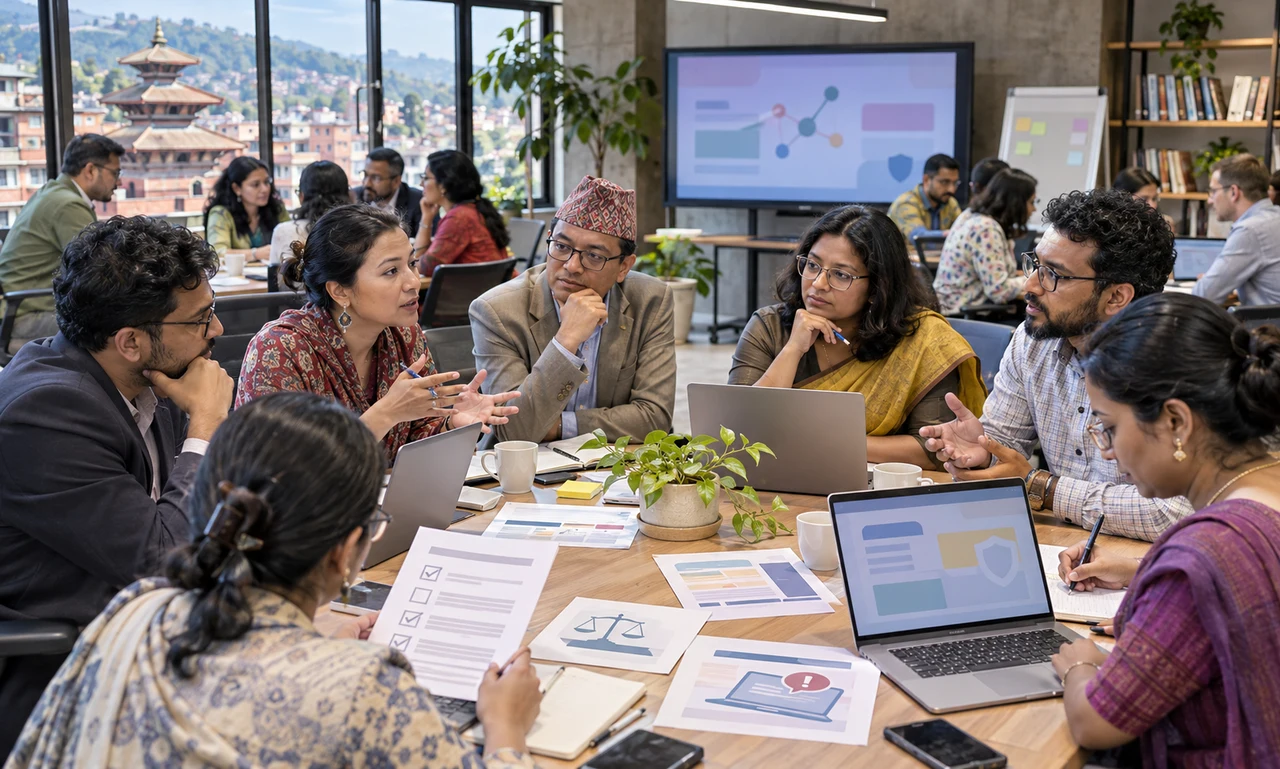
Two new regional toolkits translate transparency, oversight and complaint rights into checklists and decision paths for regulators and civil society.
A four-year UNESCO and AXA programme will place early-career researchers inside the systems that connect scientific knowledge with public decisions.
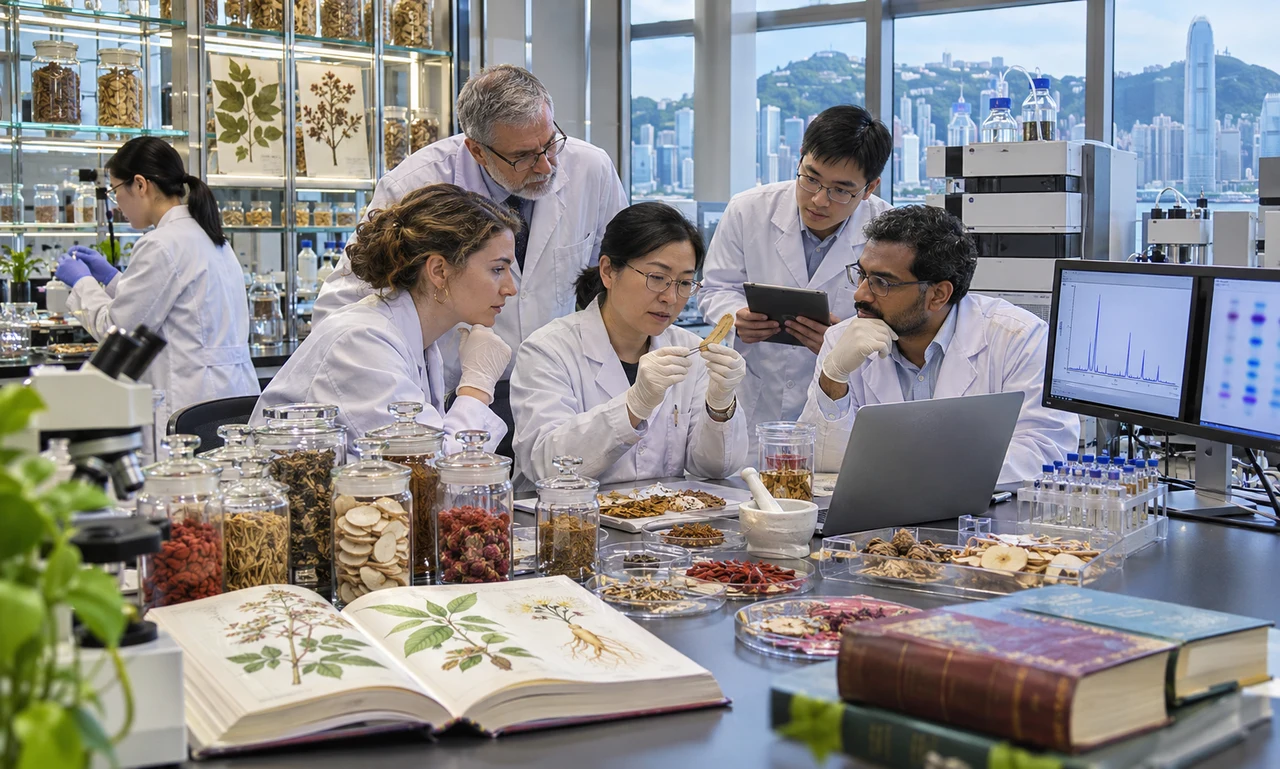
WHO experts are developing the first volume of internationally harmonized quality monographs for 12 priority herbal medicines.
A new WHO collaborating centre in Belgium will maintain statistical models, track indicators and help countries strengthen food-safety data.
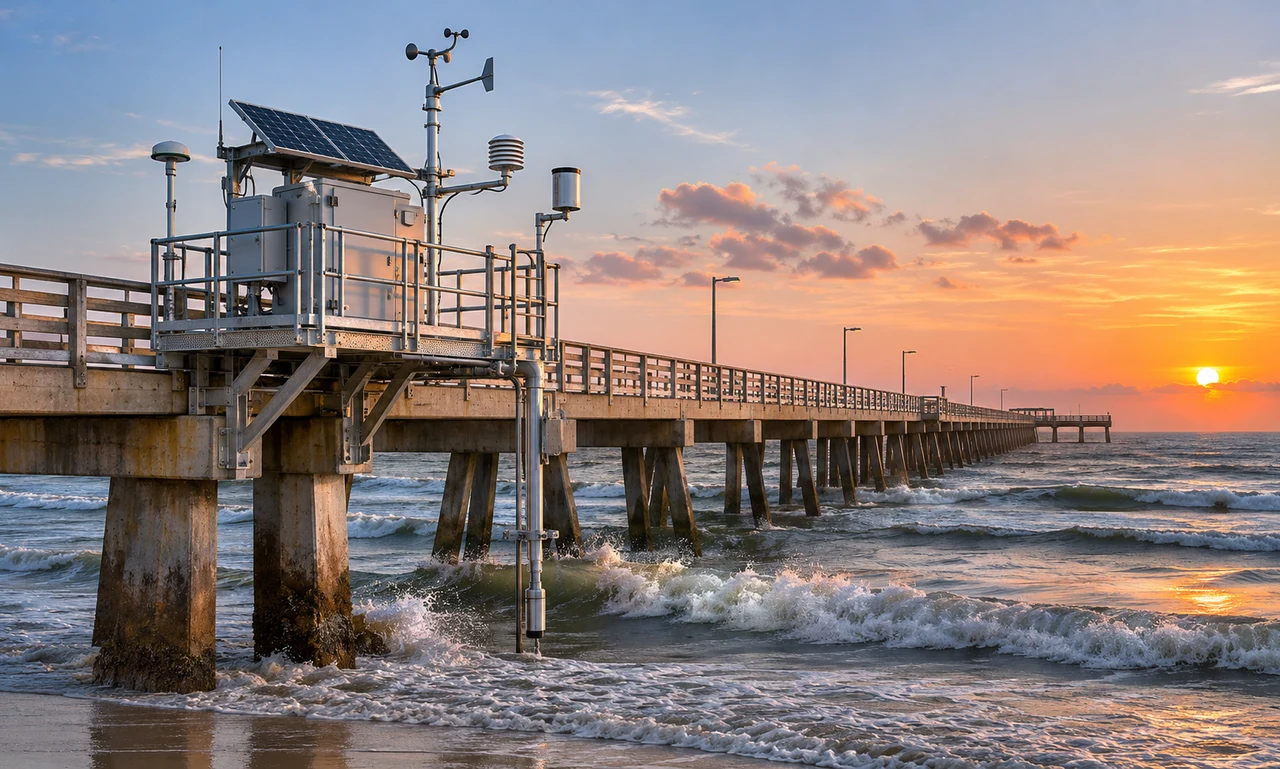
NOAA’s new Corpus Christi station combines tide, weather and temperature data on an elevated platform designed for coastal flooding.
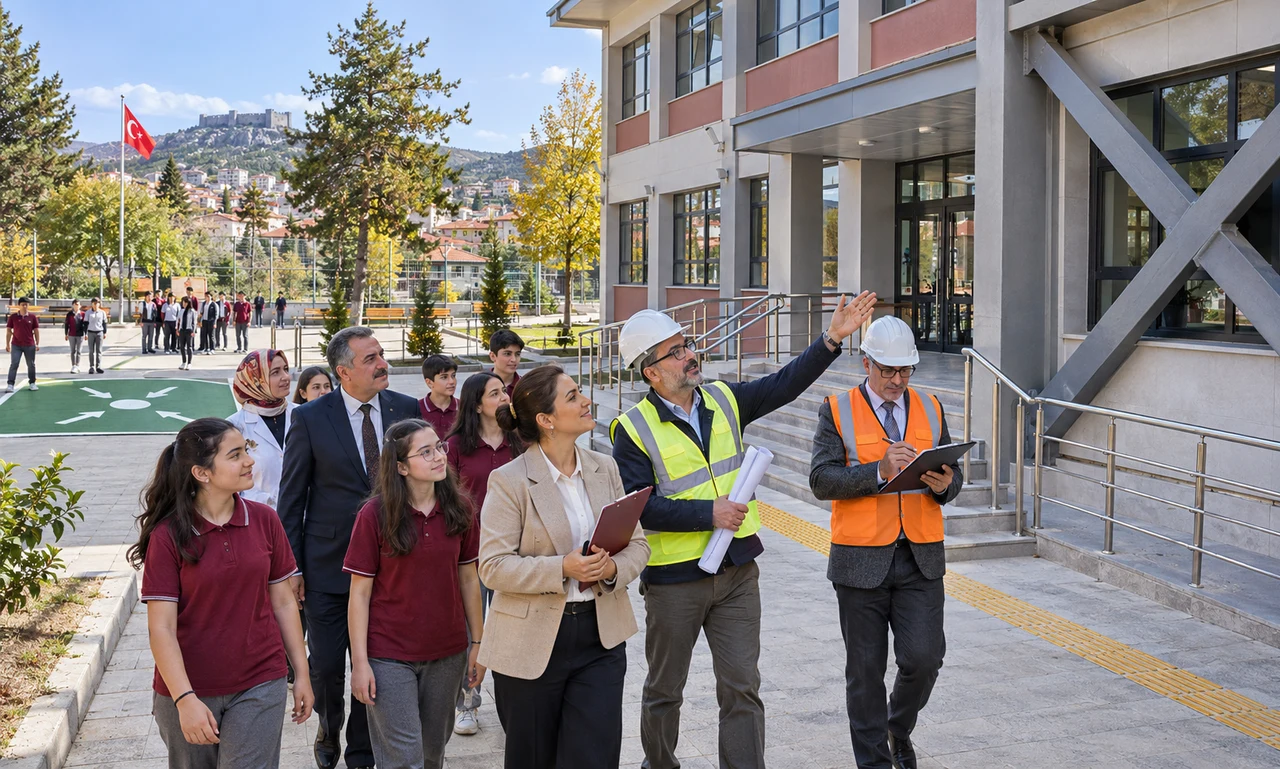
RISE Türkiye connects infrastructure checks, preparedness, energy efficiency and local school knowledge into one resilience programme.
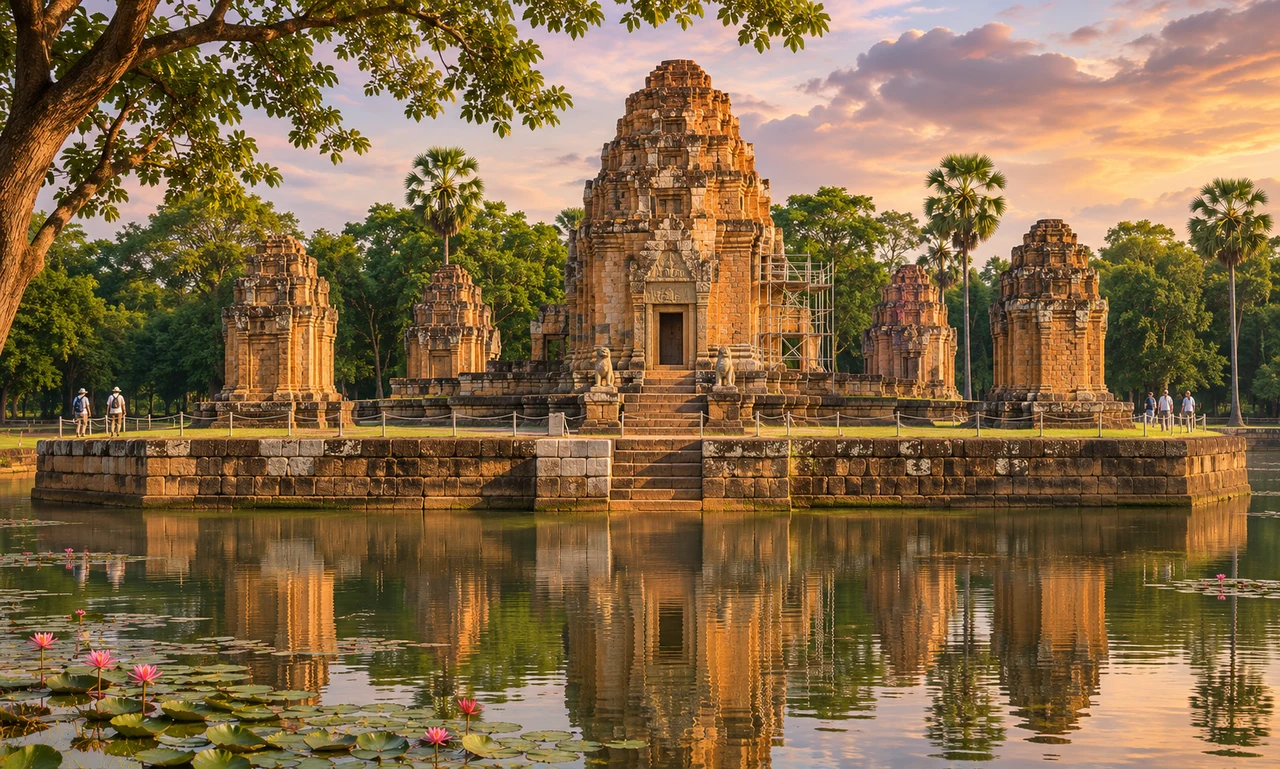
The rehabilitated Angkor temple highlights decades of Cambodian stewardship supported by international research, training and cooperation.
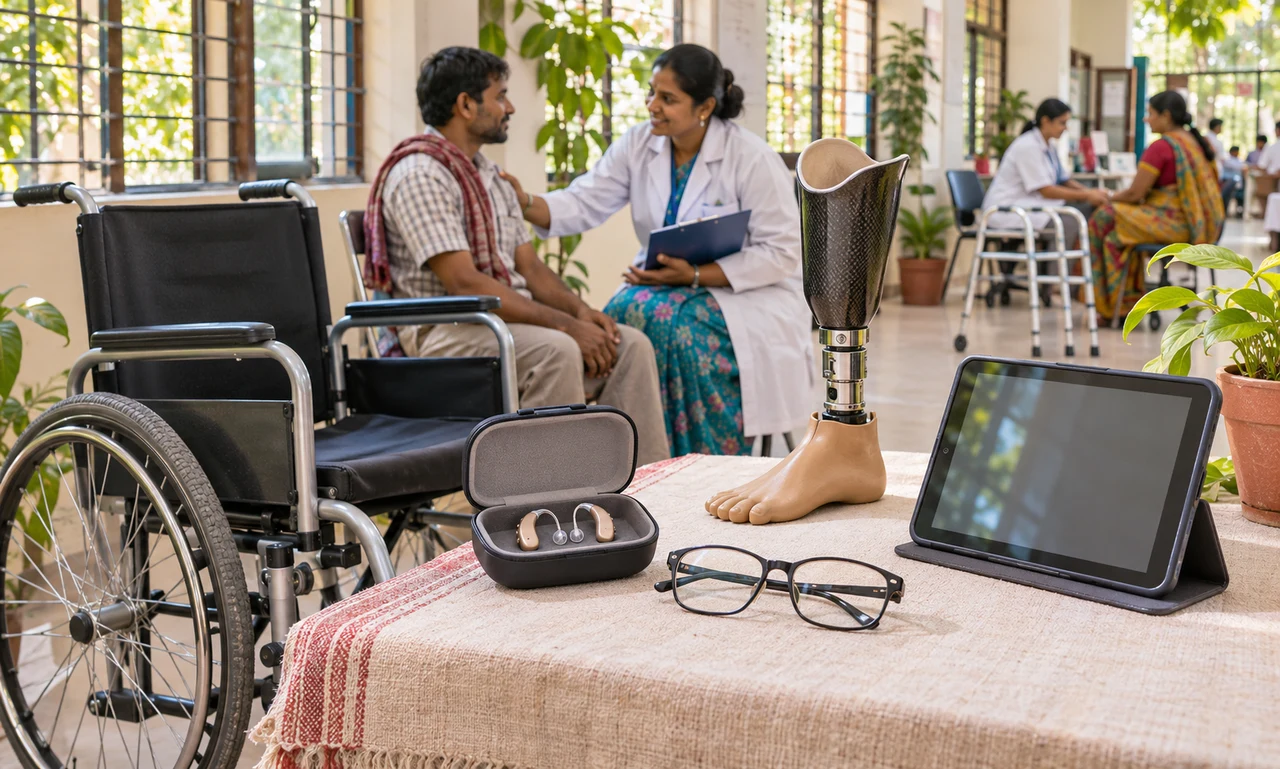
WHO is urging countries to connect priority product lists with budgets, procurement, fitting, maintenance and replacement services.
WHO’s updated framework asks destination and source countries to share the benefits of migration through training, employment and workforce investment.
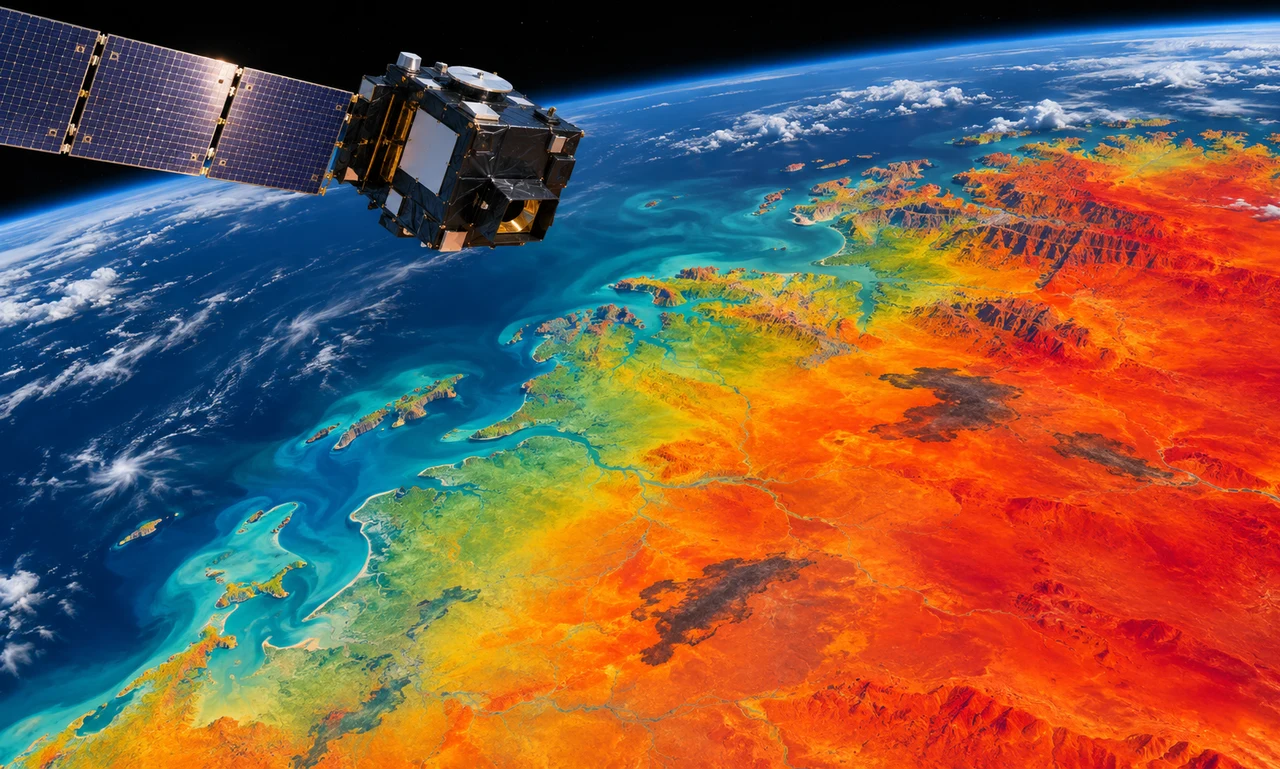
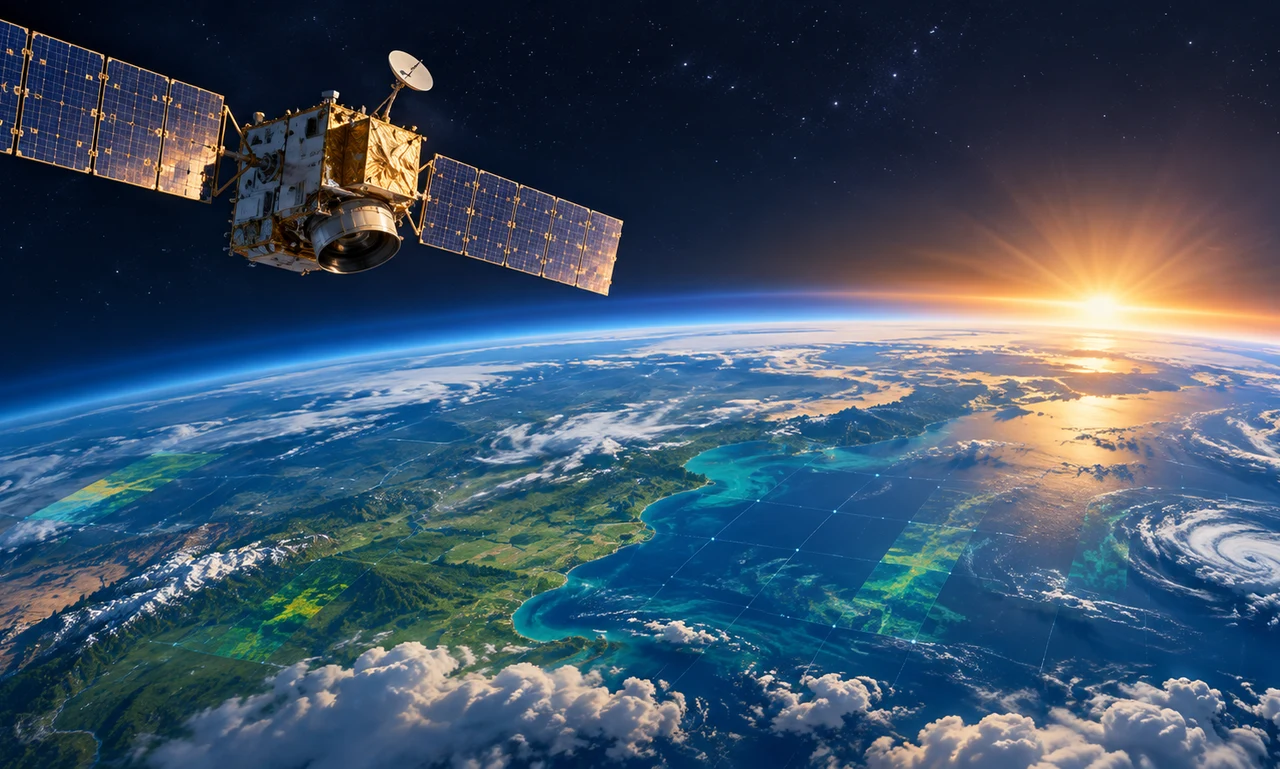
The satellite’s first infrared images reveal heat, vegetation and wildfire scars across Western Australia, Europe and North Africa.
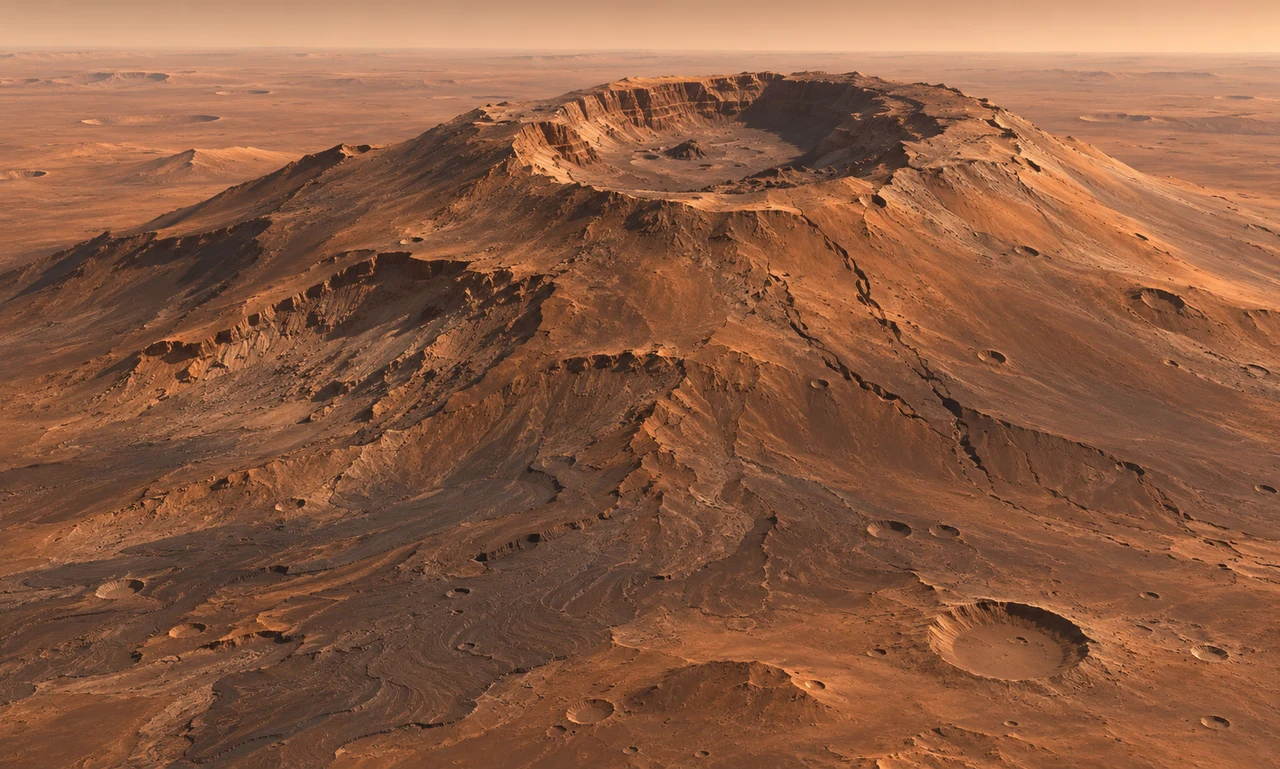
A new orbital view shows an eight-kilometre volcano whose steep slopes, collapsed flanks and deep caldera record a turbulent geologic past.
A new UN report argues that dialogue, rights, education and inclusive public institutions are practical infrastructure for conflict prevention.
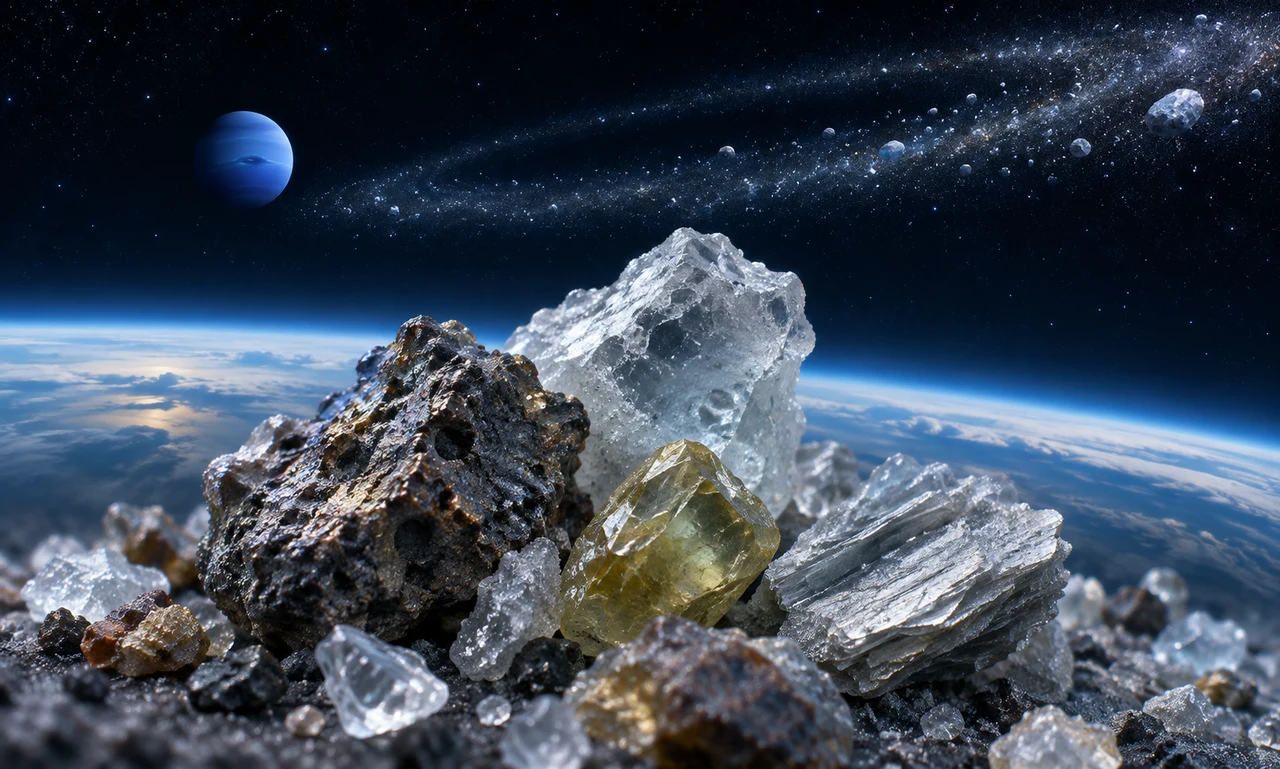
Twelve microscopic grains collected in the stratosphere preserve a chemical record of water and dust from the distant outer solar system.
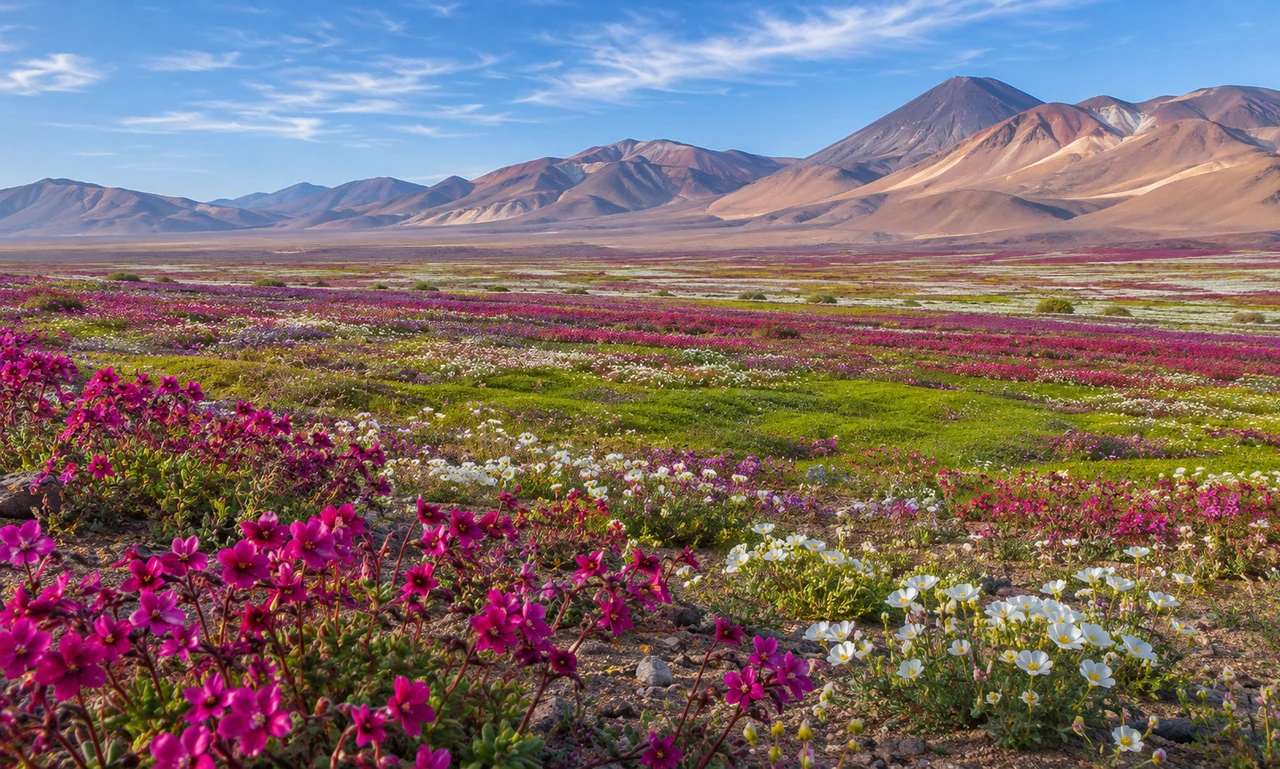
Satellite observations show red-purple, green and white blooms spreading across one of Earth’s driest landscapes after an unusually wet winter.
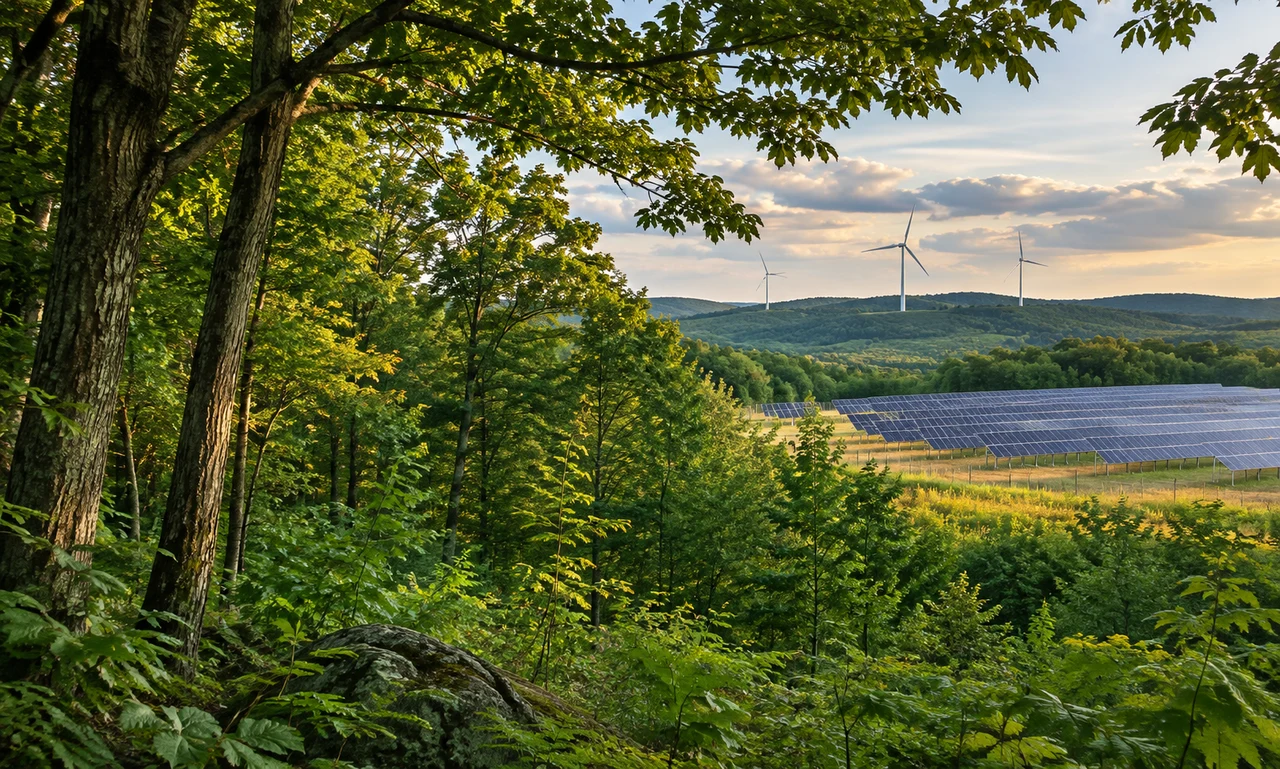
Biofuel crops, mining and new infrastructure can shift environmental pressure onto land unless energy and forest policies are planned together.
A cross-sector gathering connected online safety, financial judgement, mental health and public participation instead of confining the subject to classrooms.
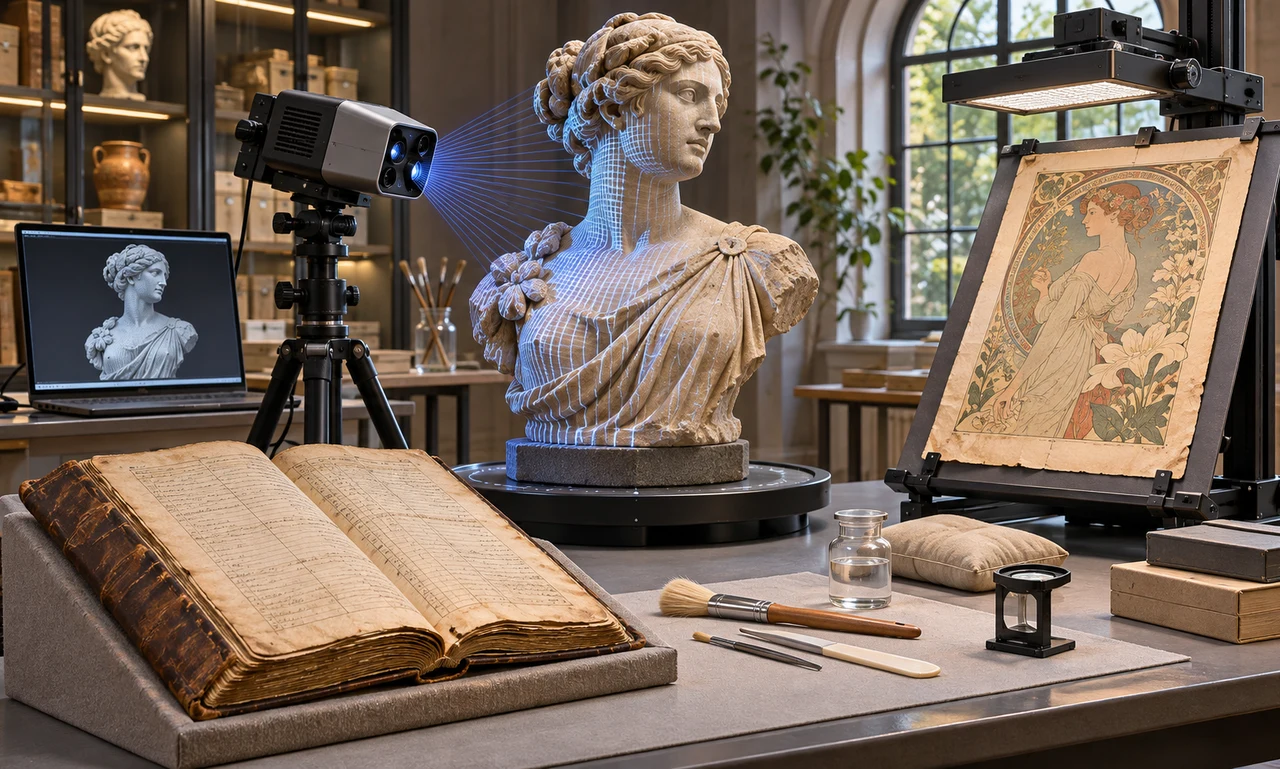
UNESCO and Arius Technology will create high-resolution digital records of artworks, archives and historic spaces while keeping the files in open formats.
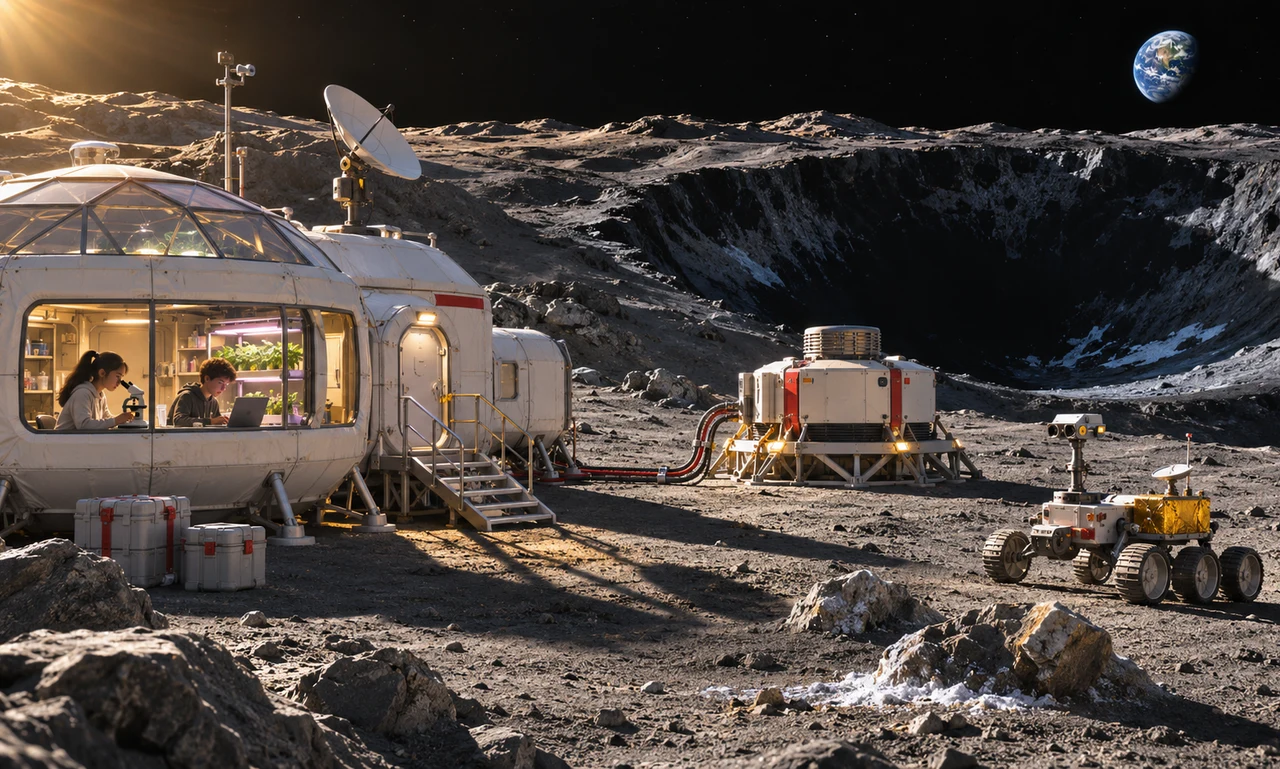
NASA’s Power to Explore challenge connects a 200-word essay and original illustration with the practical energy demands of lunar science.
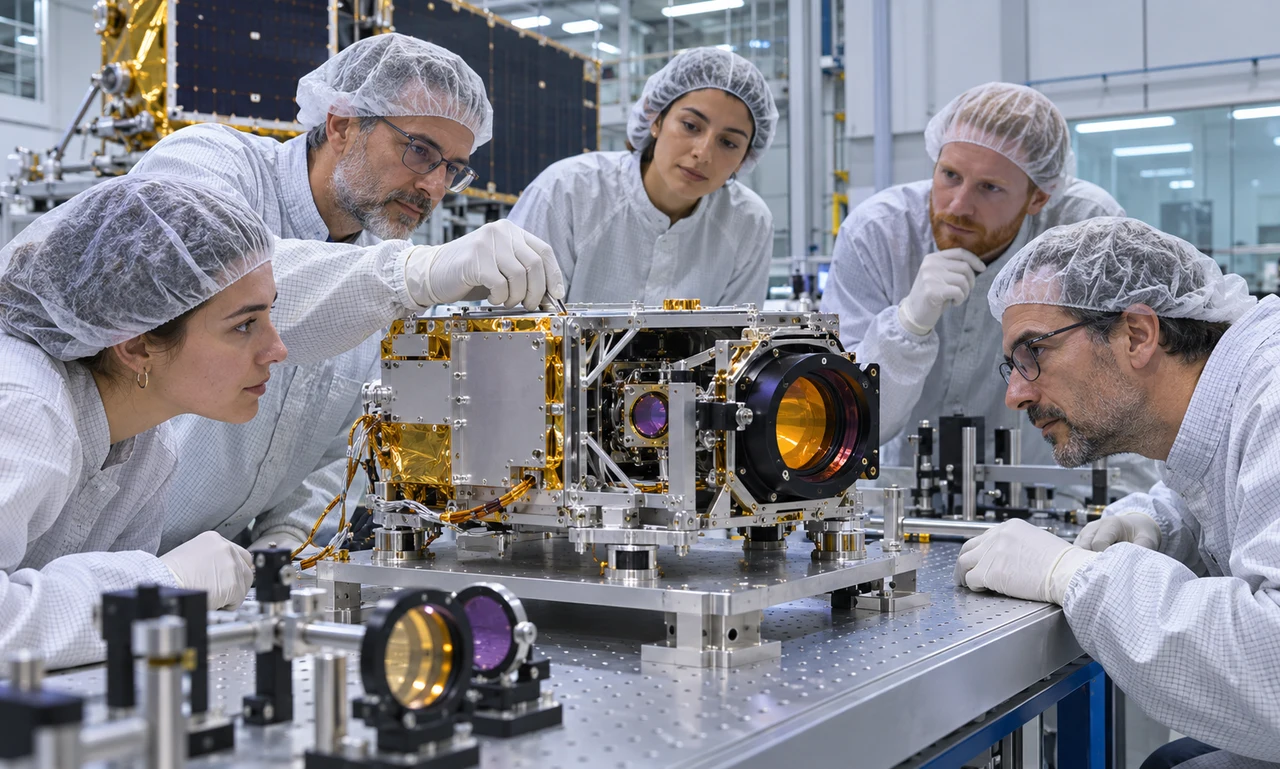
ESA’s cooperative programme links national research teams, industry and flight opportunities across planetary science, Earth observation and exploration.
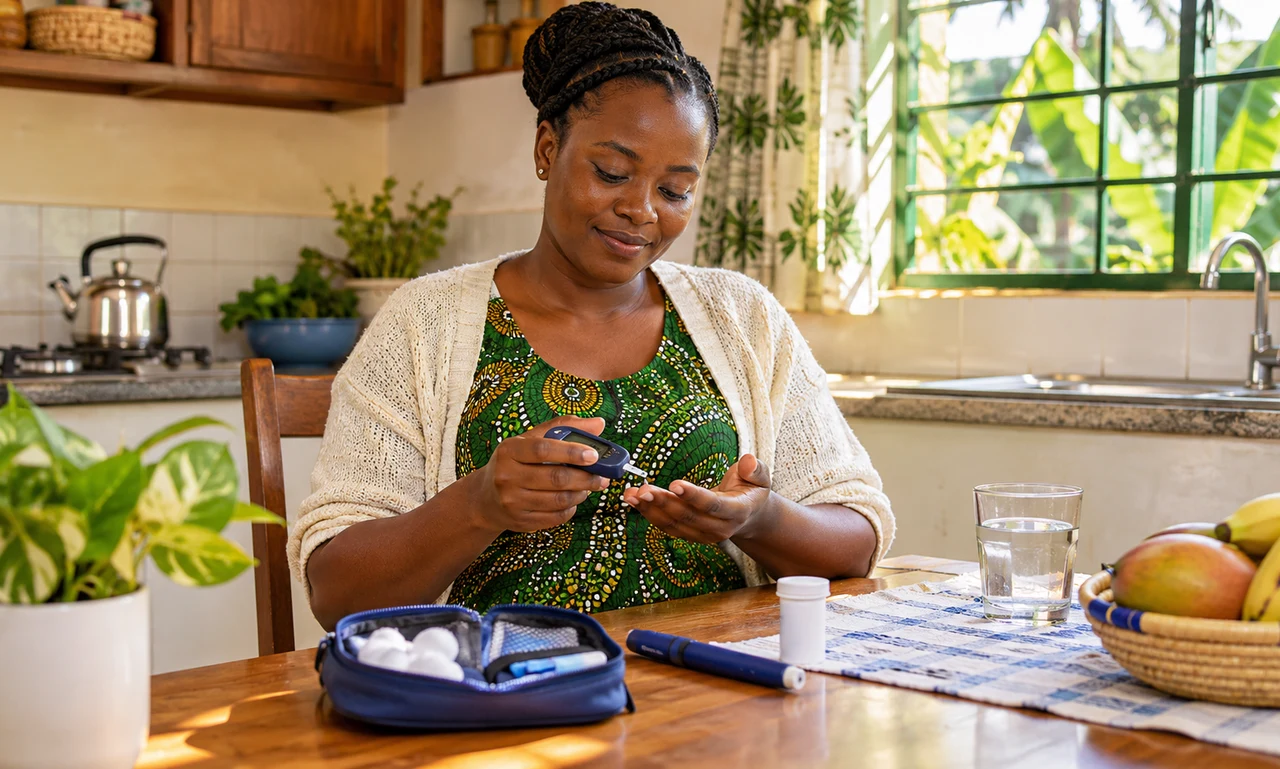
The recommendations focus on practical insulin use and glucose monitoring across ordinary clinics, low-resource settings and emergencies.
A developing national protocol aims to coordinate evidence, custody, legal action and the final destination of recovered heritage.
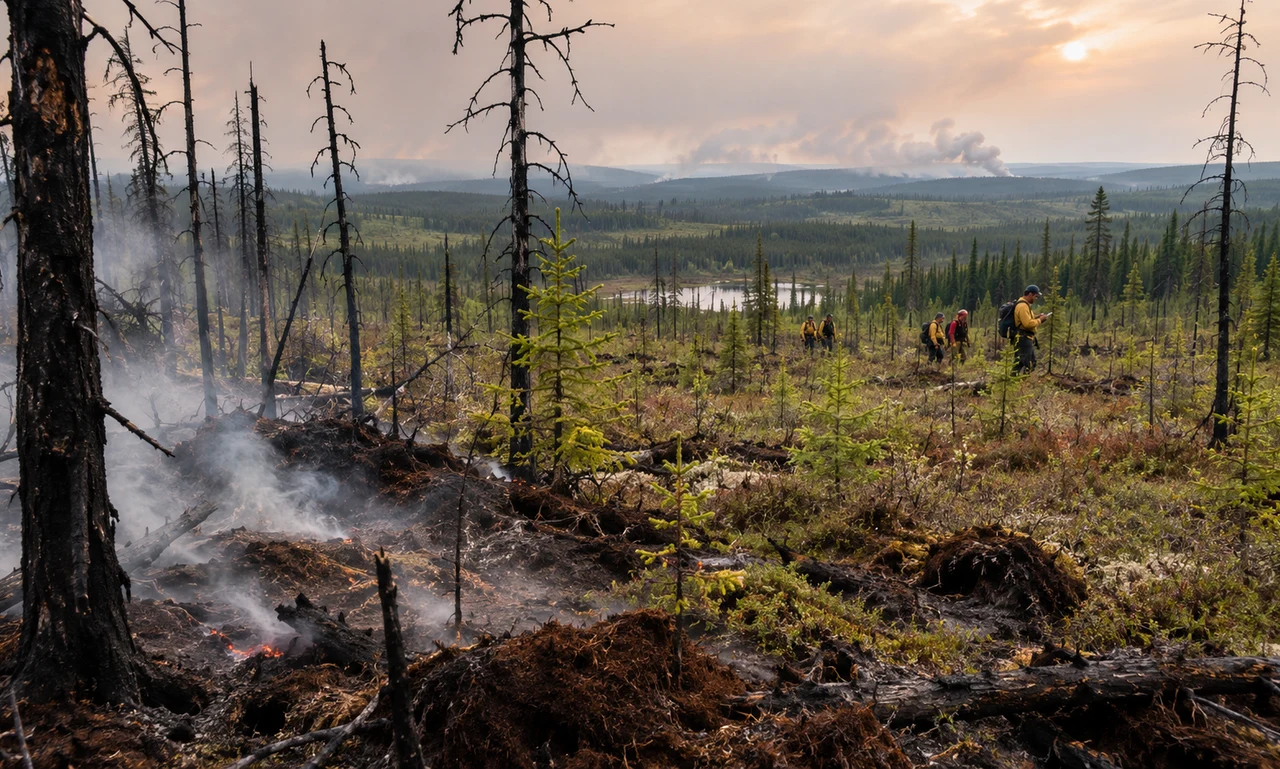
A new assessment warns that repeated wildfires may transform boreal ecosystems and release carbon long after temperatures eventually decline.
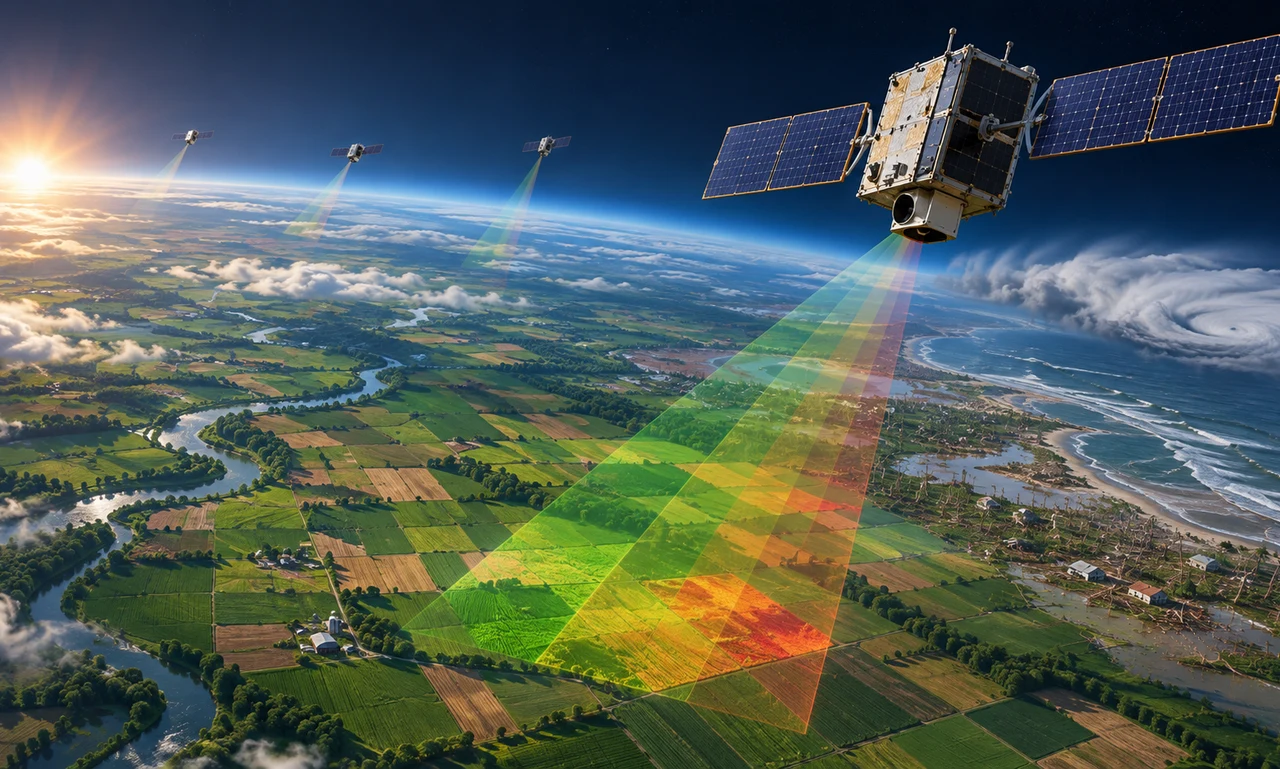
NASA laboratory testing checked whether the Osiris sensors can reliably measure crop stress, surface temperature and damage after disasters.
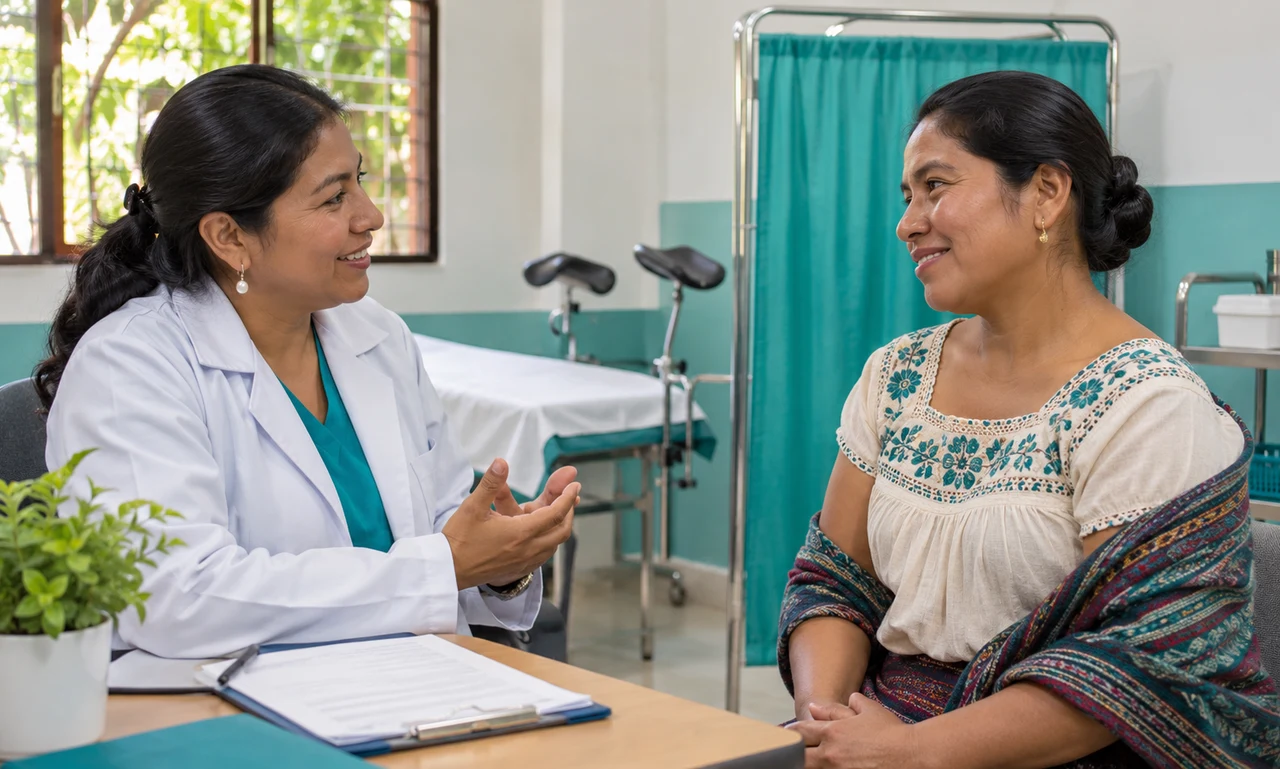
Countries are introducing HPV-based testing and treatment programmes as WHO calls for stronger follow-up and more equal access.
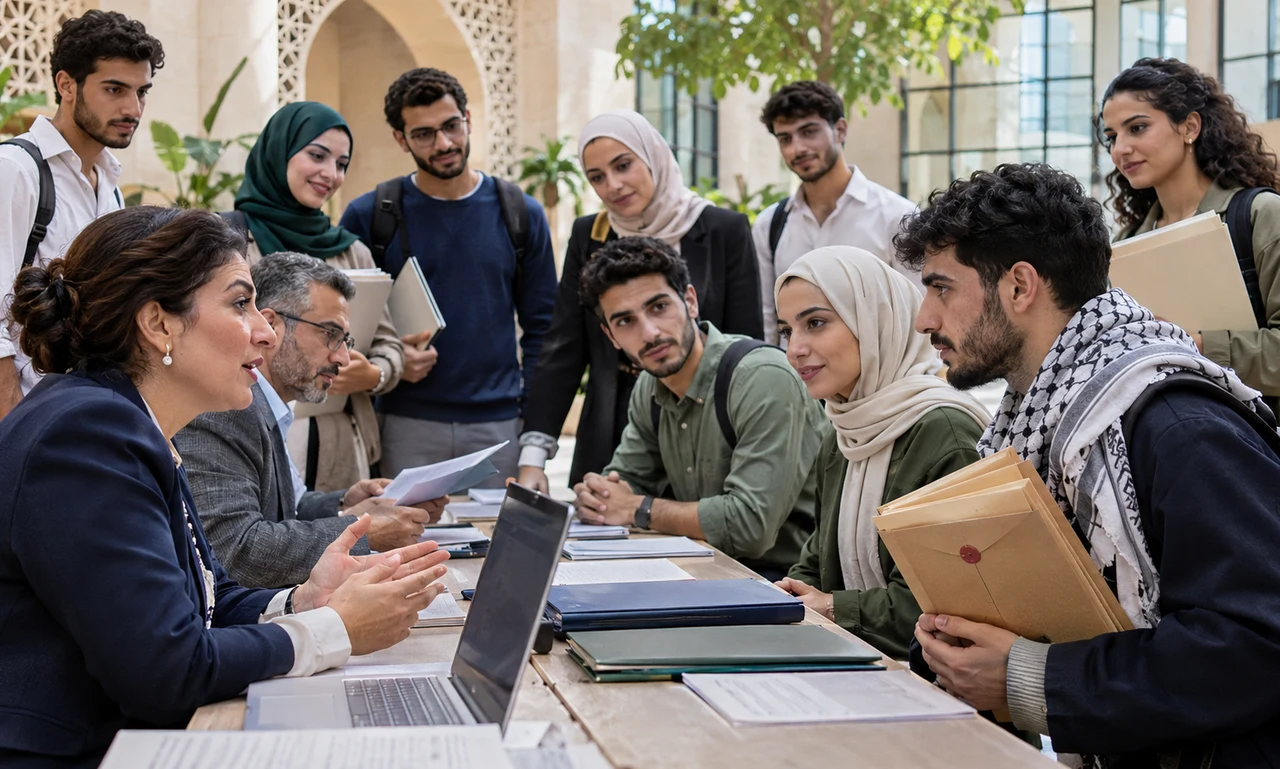
A new regional committee is building shared procedures so students, graduates and displaced people can carry their education across borders.
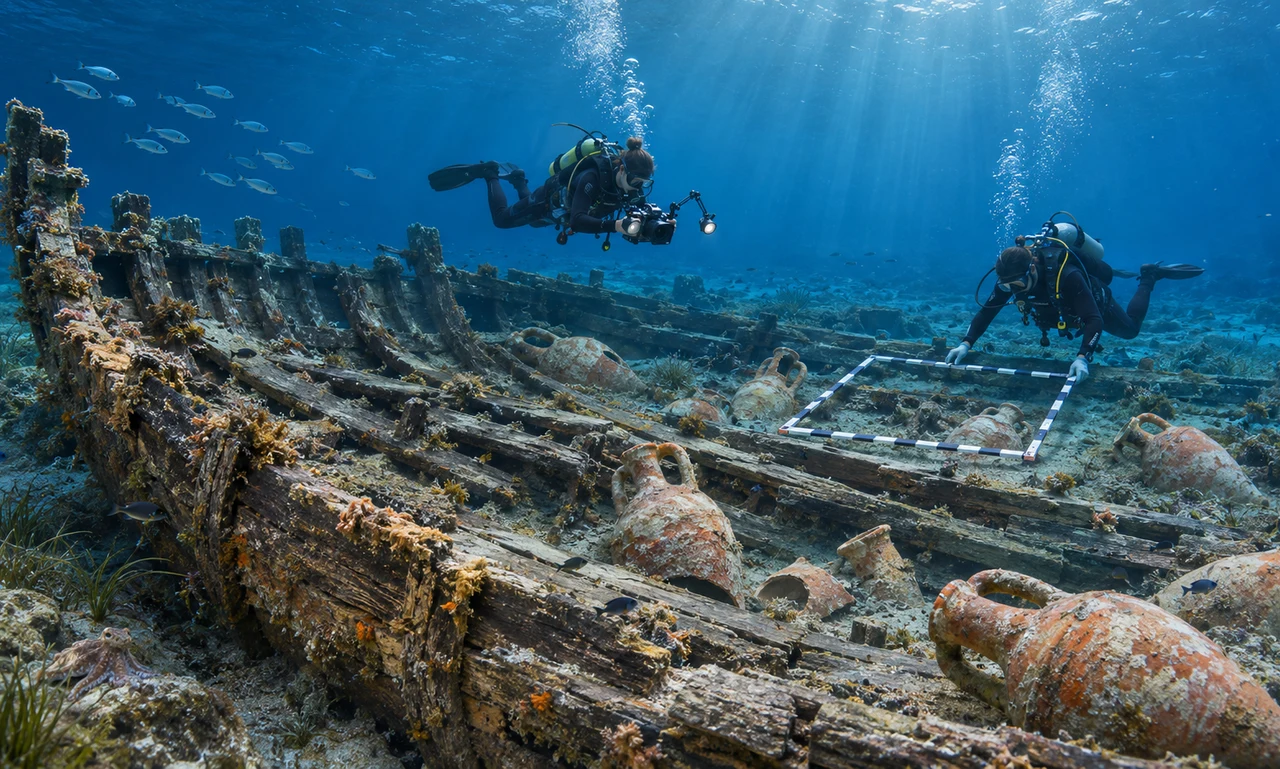
UNESCO’s underwater-heritage convention reframed shipwrecks and submerged sites as shared cultural records rather than commercial treasure.
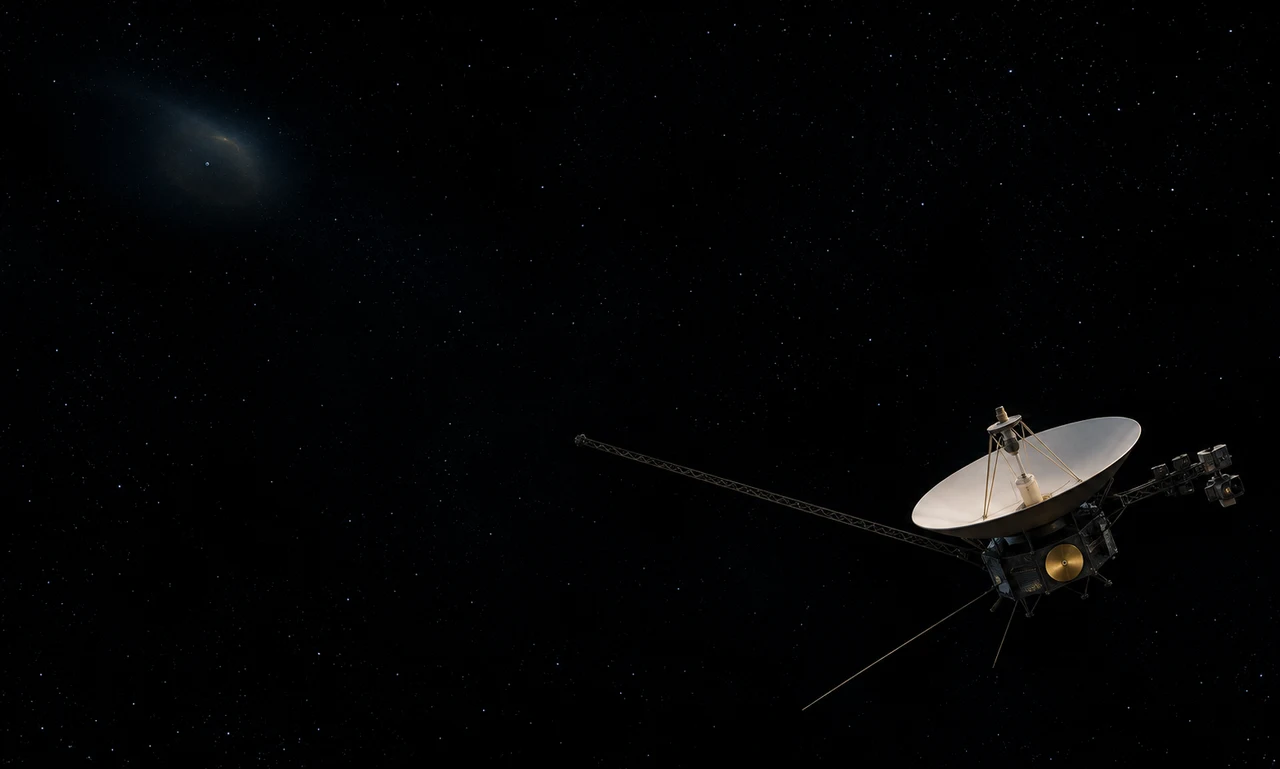
Nearly five decades after launch, the most distant human-made object crossed a milestone more than 25.8 billion kilometres away.
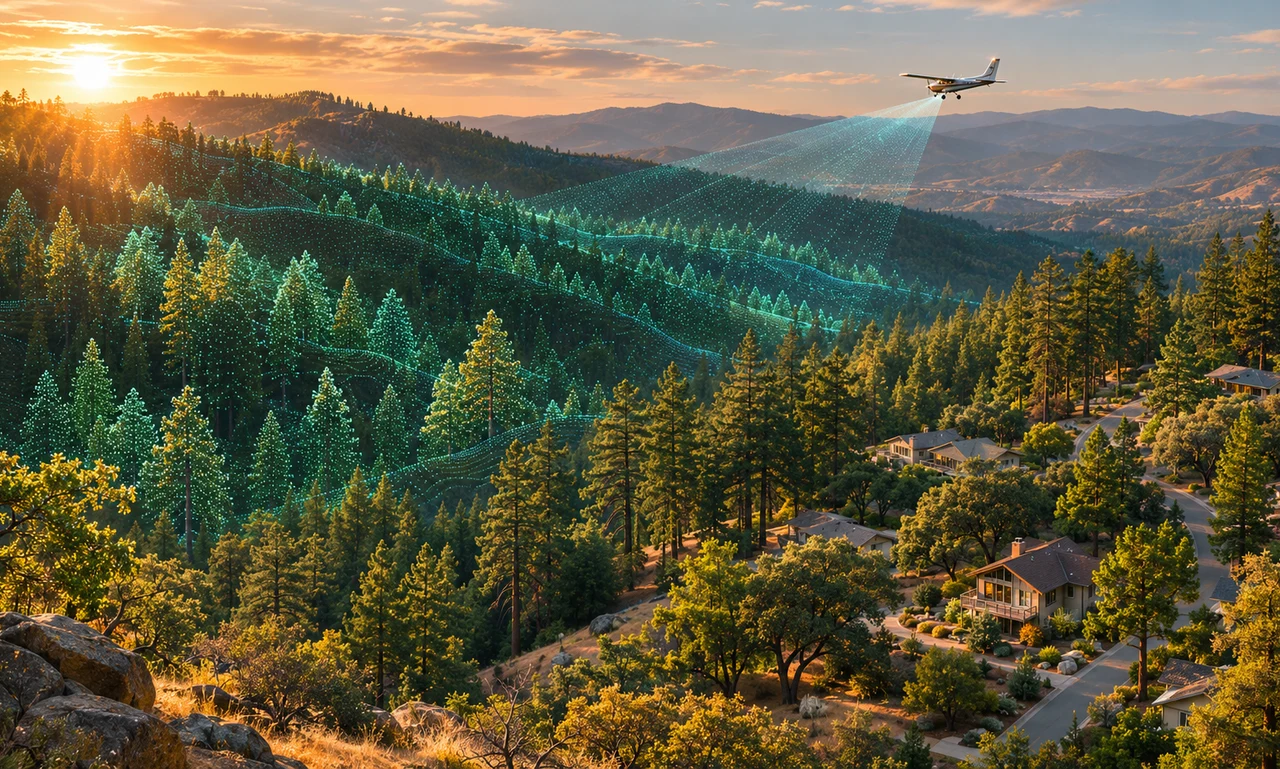
A statewide NASA mapping effort turns airborne laser measurements into a one-metre view of terrain, forests and communities.
Observations across several telescopes reconstruct how a small star spiralled into a supergiant and emerged as a single object named Bao.
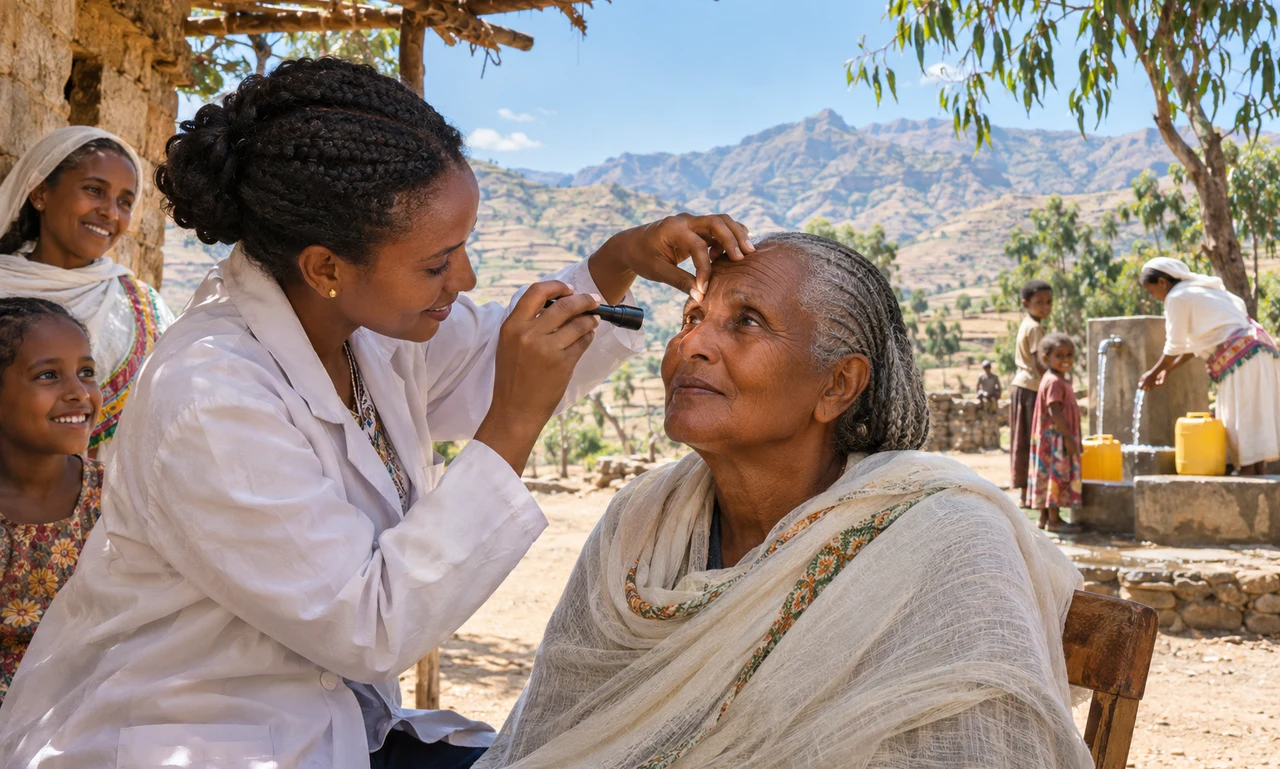
Two decades of surveys, community sanitation, treatment and follow-up have brought a leading infectious cause of blindness below elimination thresholds.
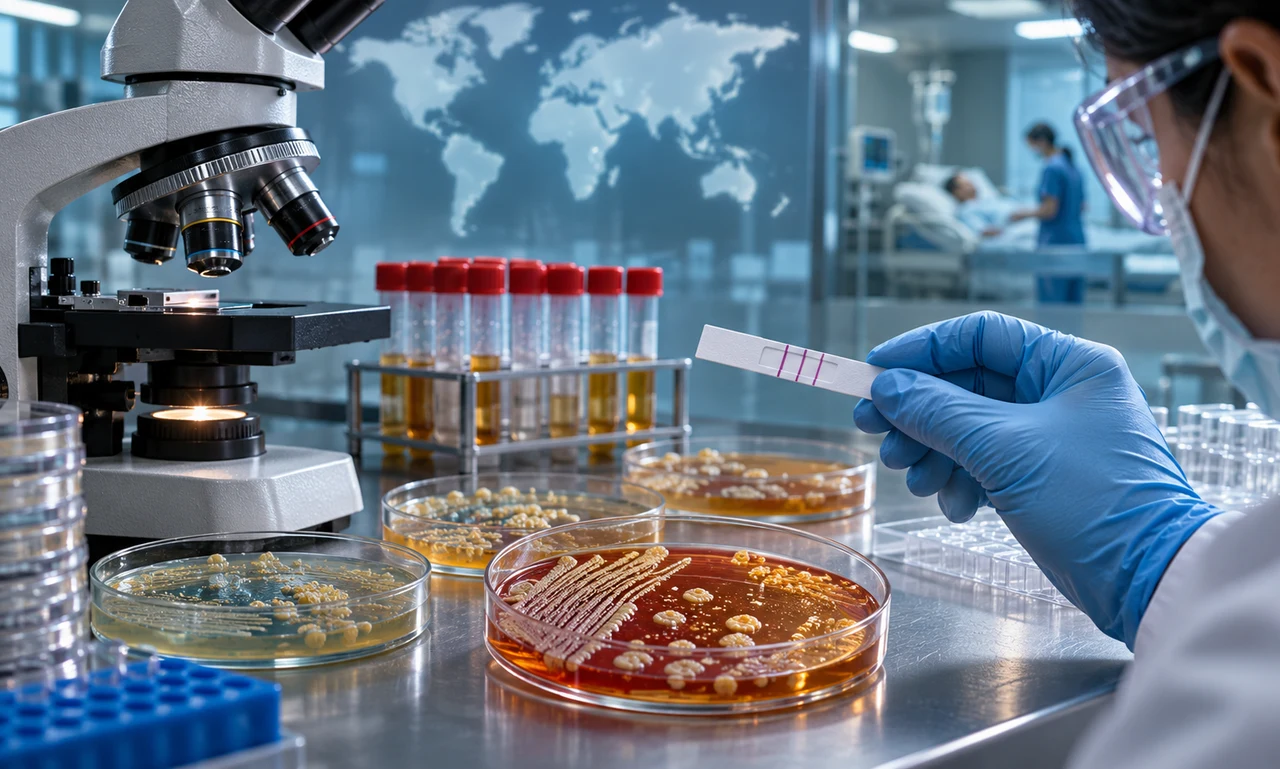
WHO’s latest country survey finds broad progress in national planning alongside major shortages in funding, laboratories and patient-level diagnostics.
A UNESCO exchange highlights local products, shared governance and youth participation as practical tools for climate resilience.
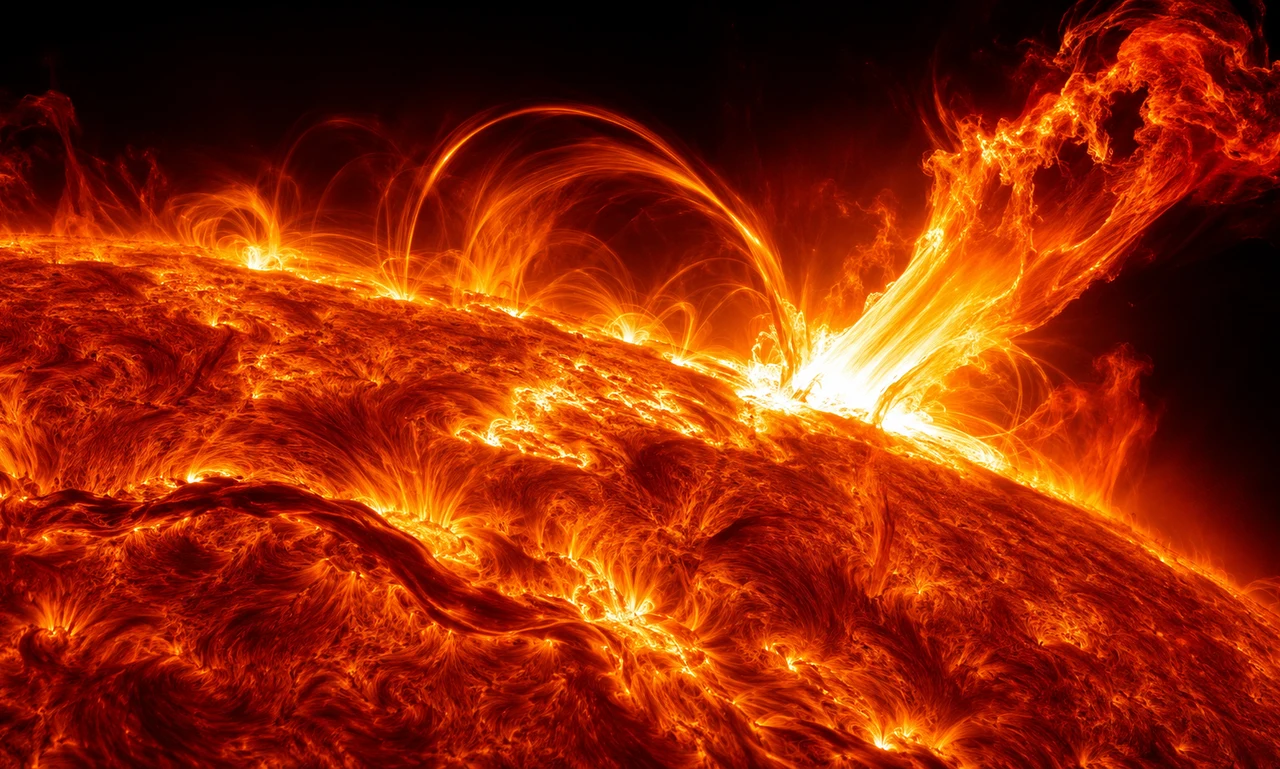
NASA’s November 18 astronomy image highlights glowing hydrogen, tangled magnetic fields and an M-class eruption above the solar surface.
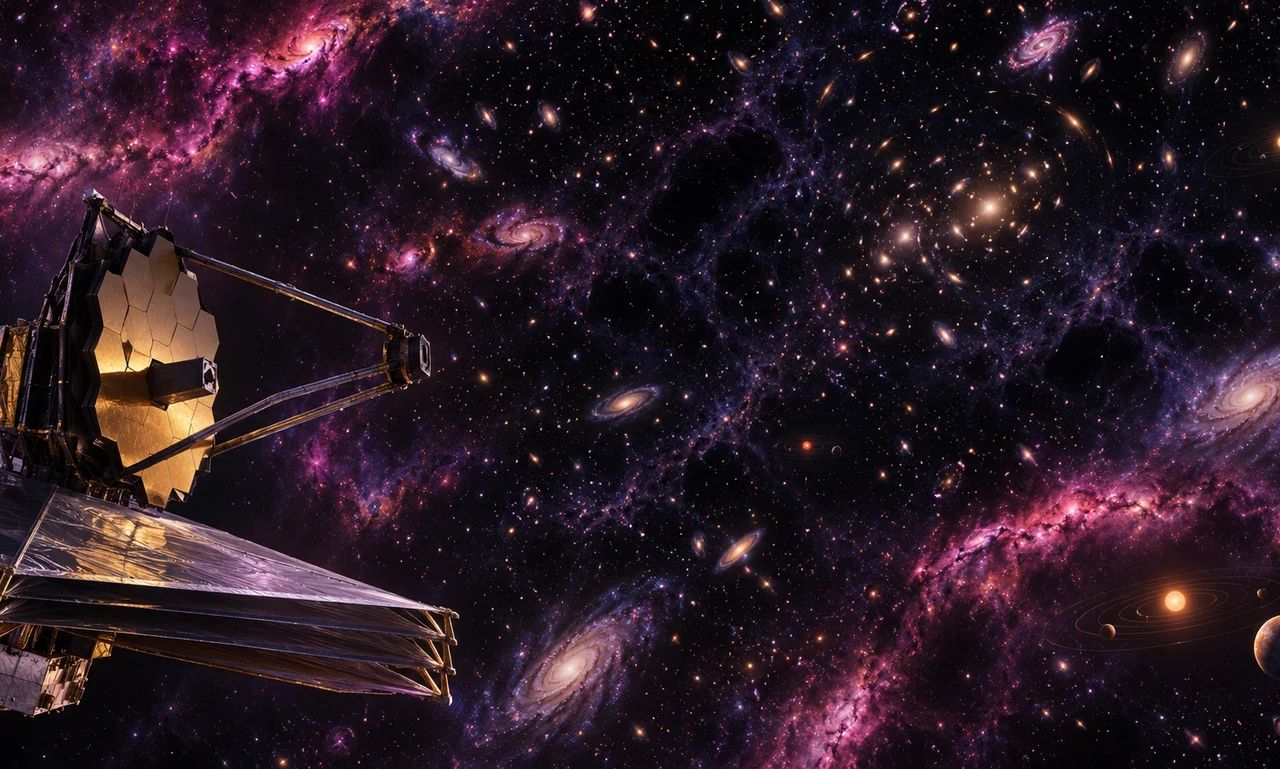
NASA will unveil the observatory’s opening views during a live broadcast, offering the first public demonstration of its wide infrared vision.
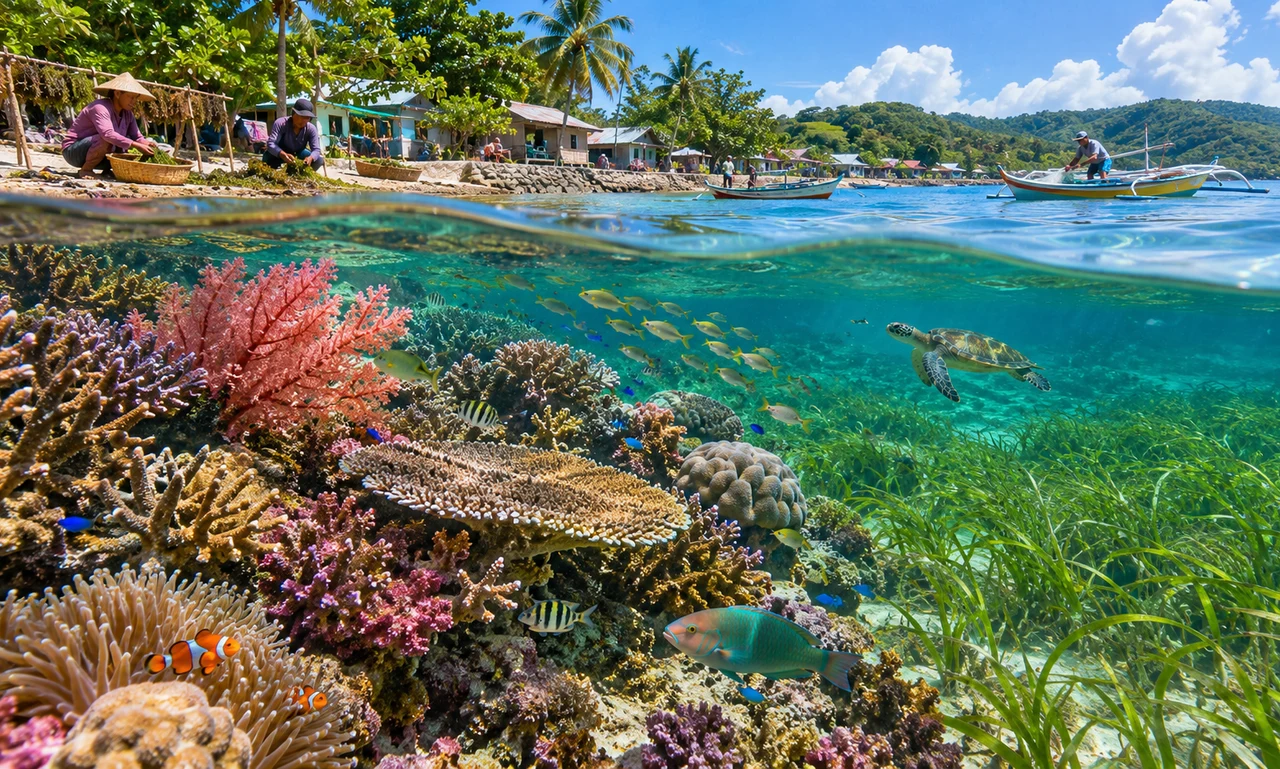
The COP31 package combines conservation funding, local lending and investment in businesses designed to support reefs and coastal communities.
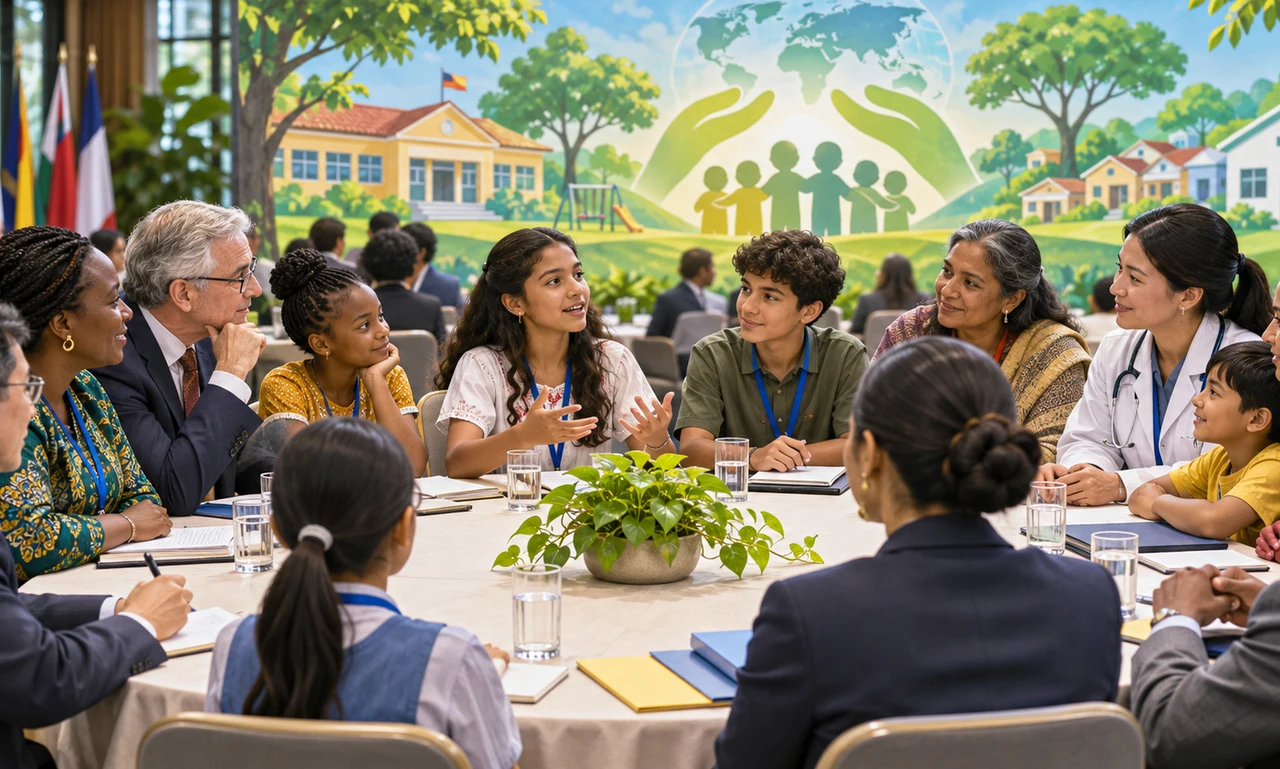
Commitments announced in Manila cover safer schools, online protection, prevention funding and stronger support for children who experience violence.
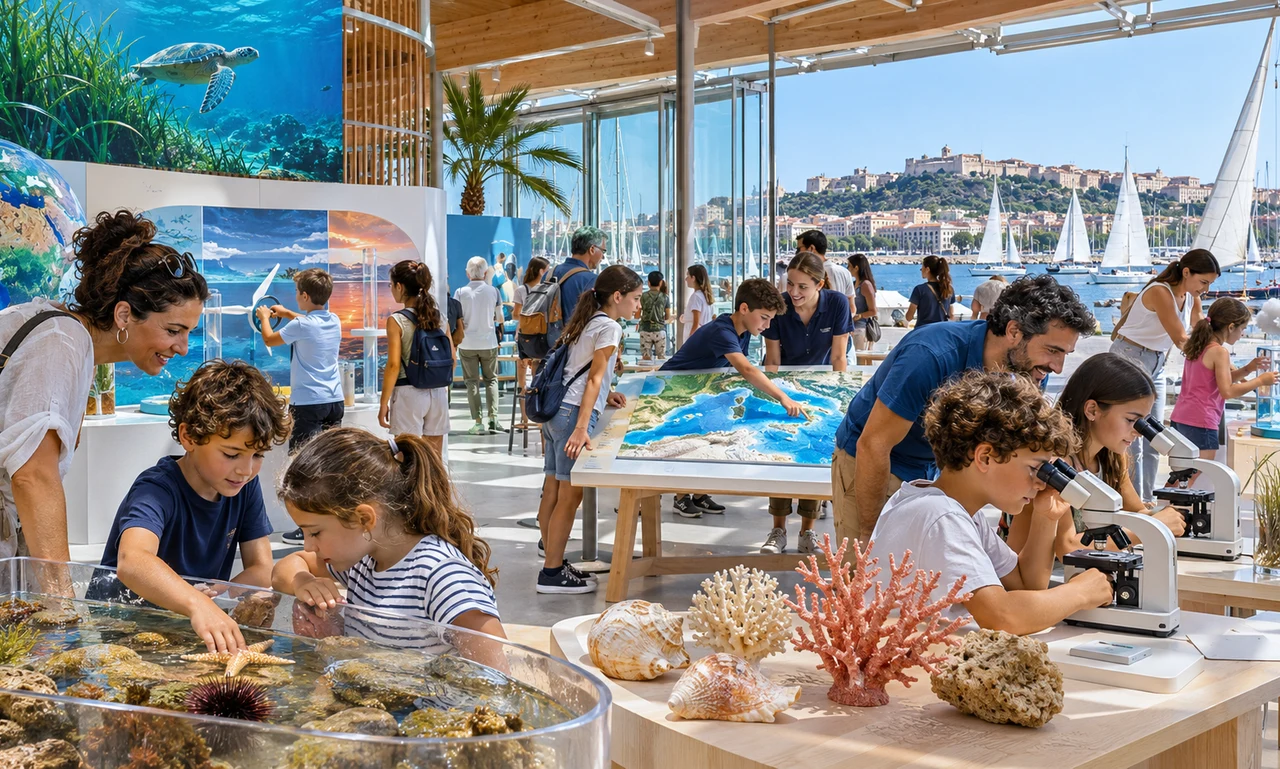
The travelling UNESCO exhibition in Cagliari used workshops, microscopes, photography and sport to connect ocean science with everyday life.
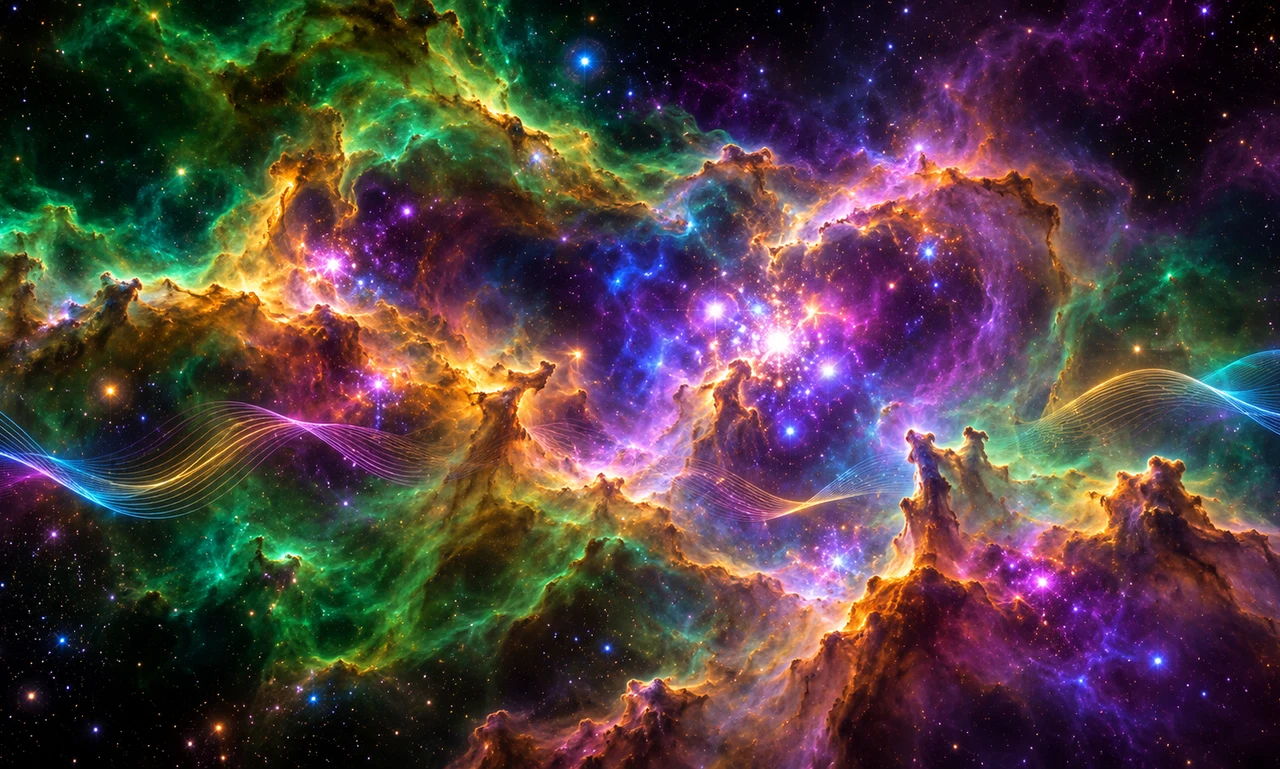
New sonifications from the Chandra X-ray Observatory translate data from young stars and glowing nebulae into an audible journey.
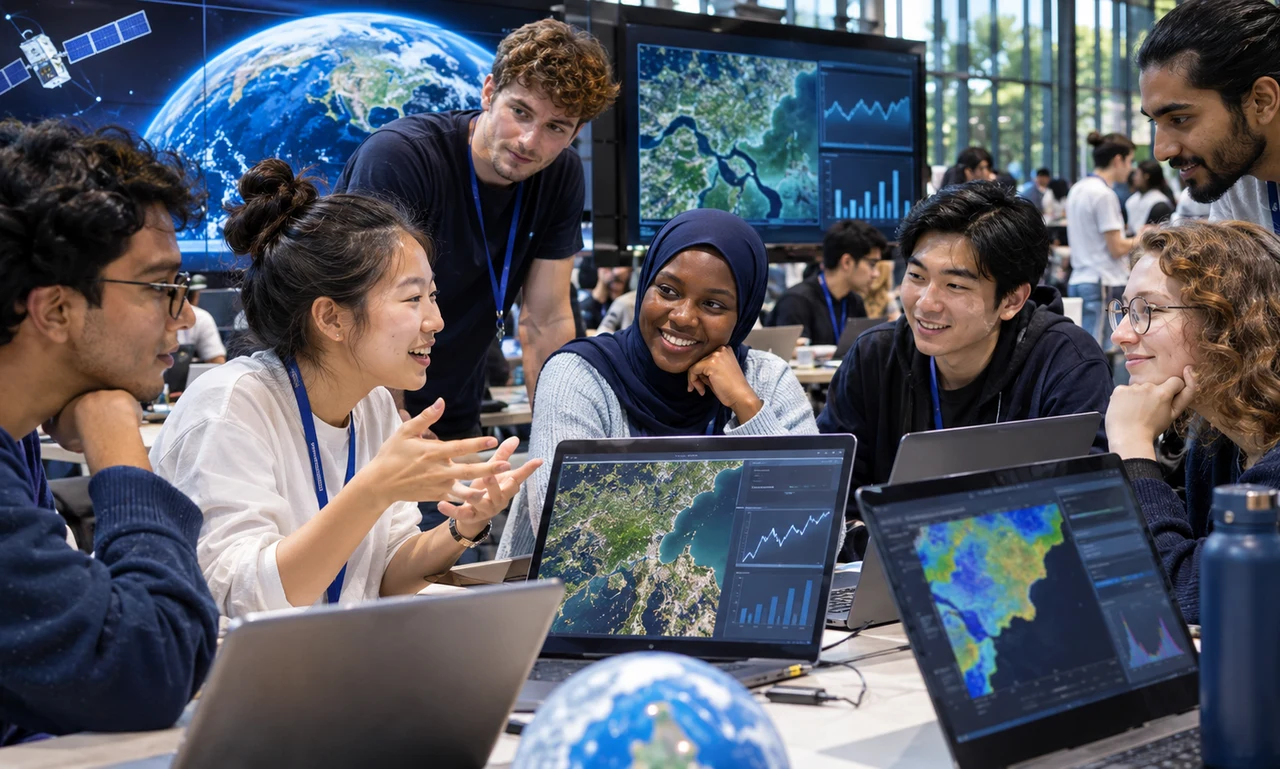
The two-day global hackathon connected hundreds of local events around open data and challenges involving Earth science and space exploration.
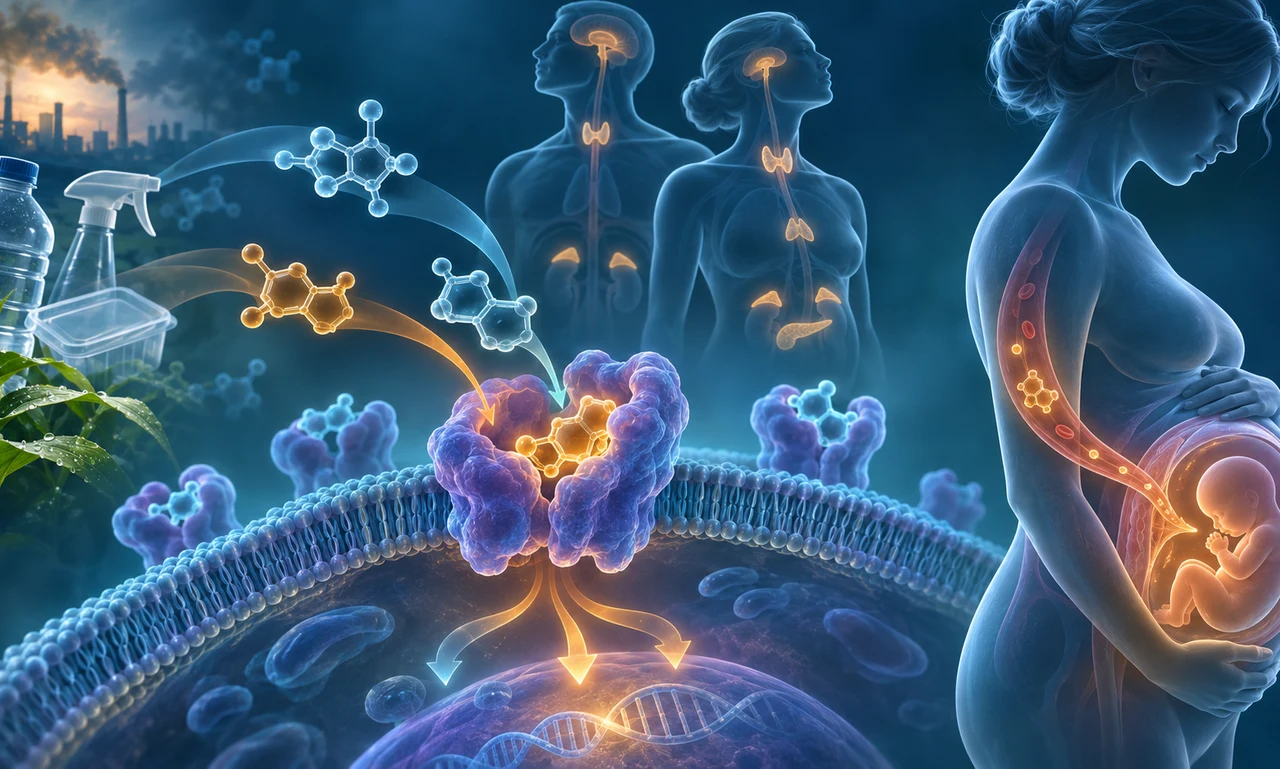
A UNEP–WHO assessment finds broader evidence of effects on human health and wildlife while highlighting major gaps in testing and regulation.
A new WHO and UNICEF call emphasizes prevention, early support and affordable care rather than relying on a single intervention.
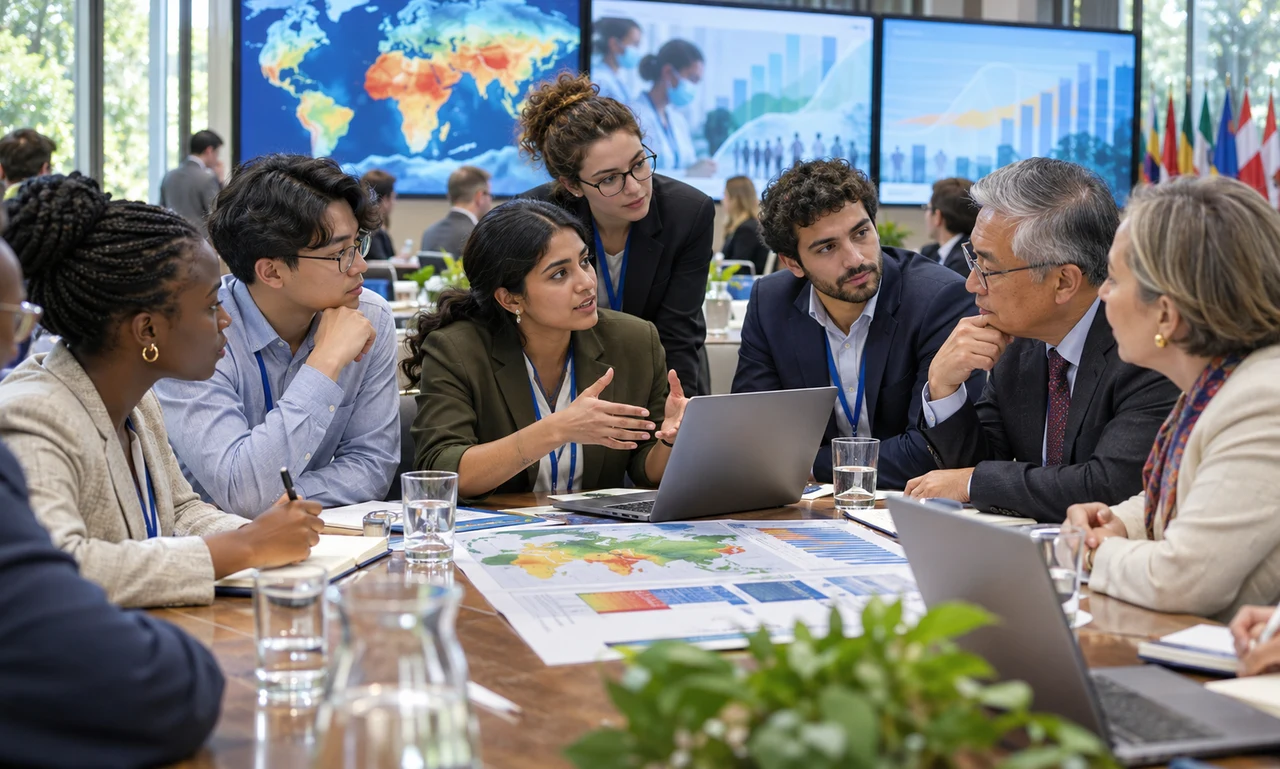
Countries backed a new roadmap and more than US$20 million in support for cooling access, efficient buildings and protection from extreme heat.
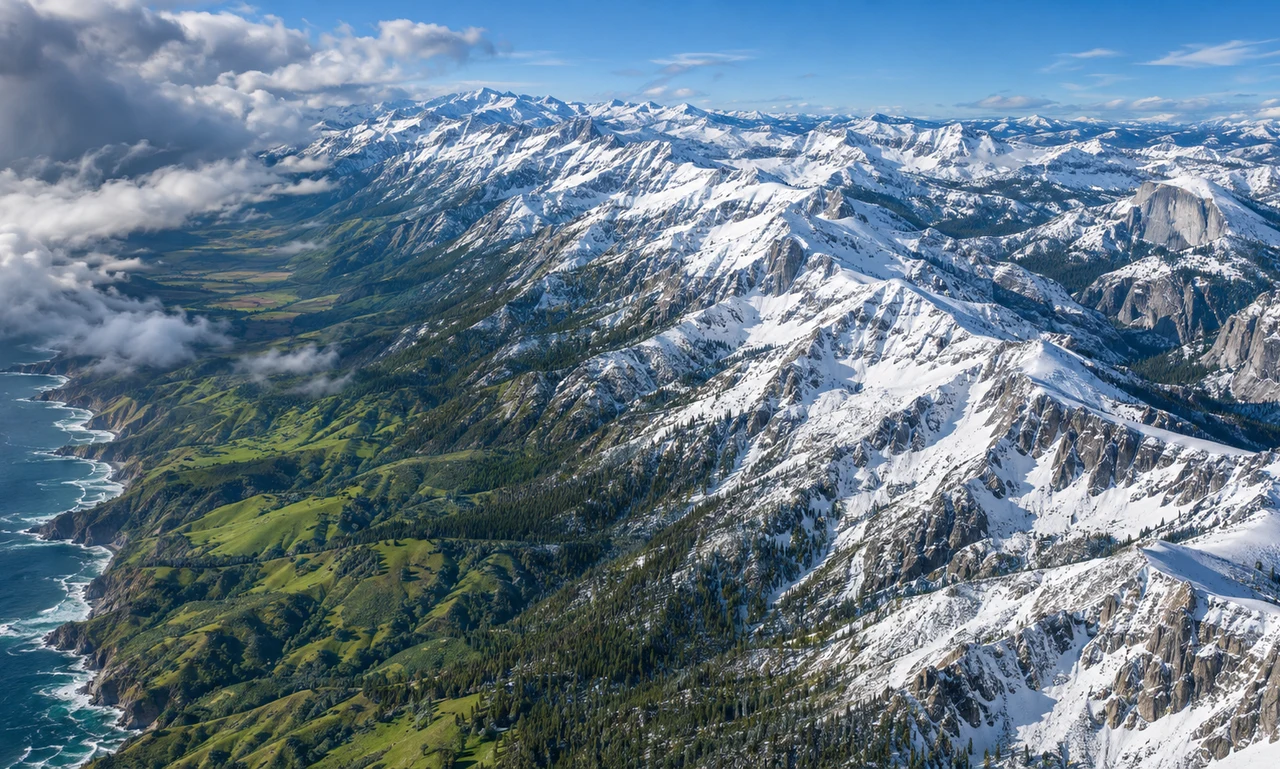
Satellite images show how quickly a mid-November storm covered California’s high country, with heavier mountain snow forecast to follow.
A temporary loan from Museums Victoria is reconnecting two culturally significant woven works with Samoan weavers, elders, students and museum professionals.
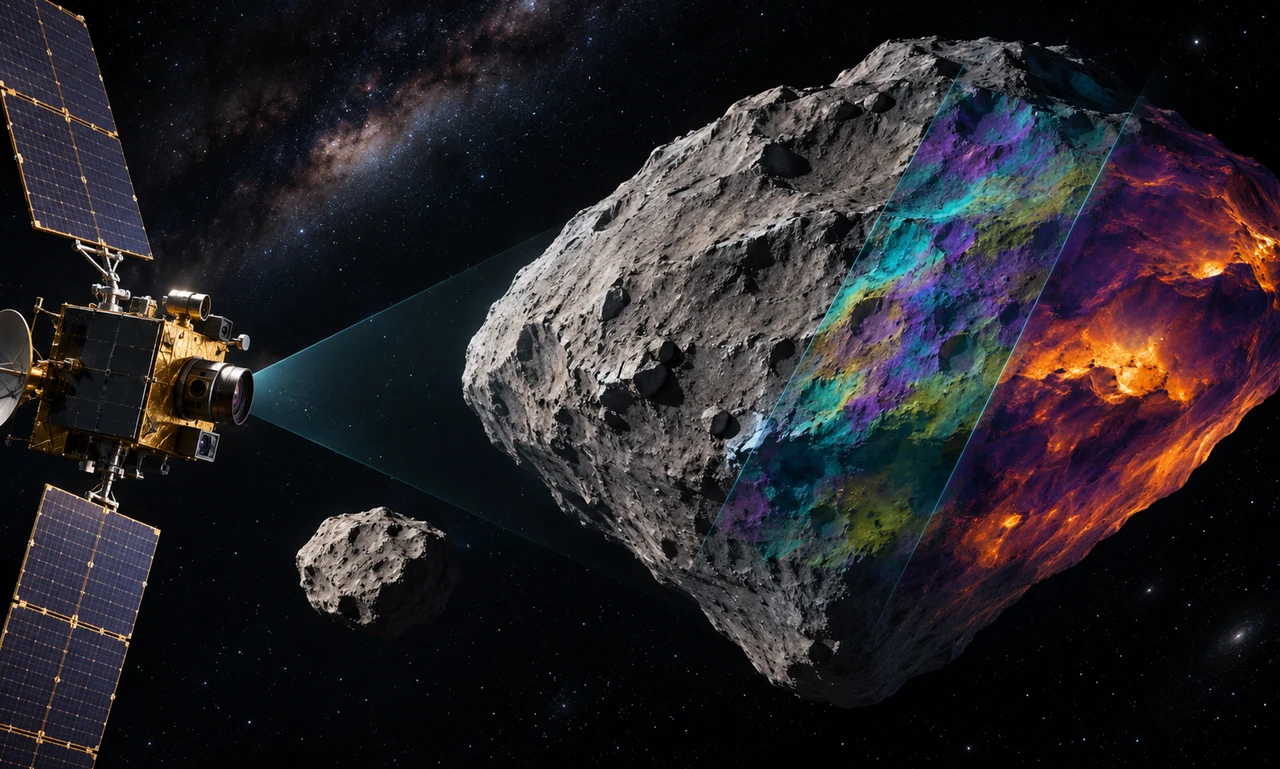
ESA’s planetary-defence spacecraft is combining three kinds of vision to investigate the surface and composition of Didymos and its moonlet Dimorphos.
The European mission is being built to approach, capture and remove an inactive satellite that was never designed to be serviced.
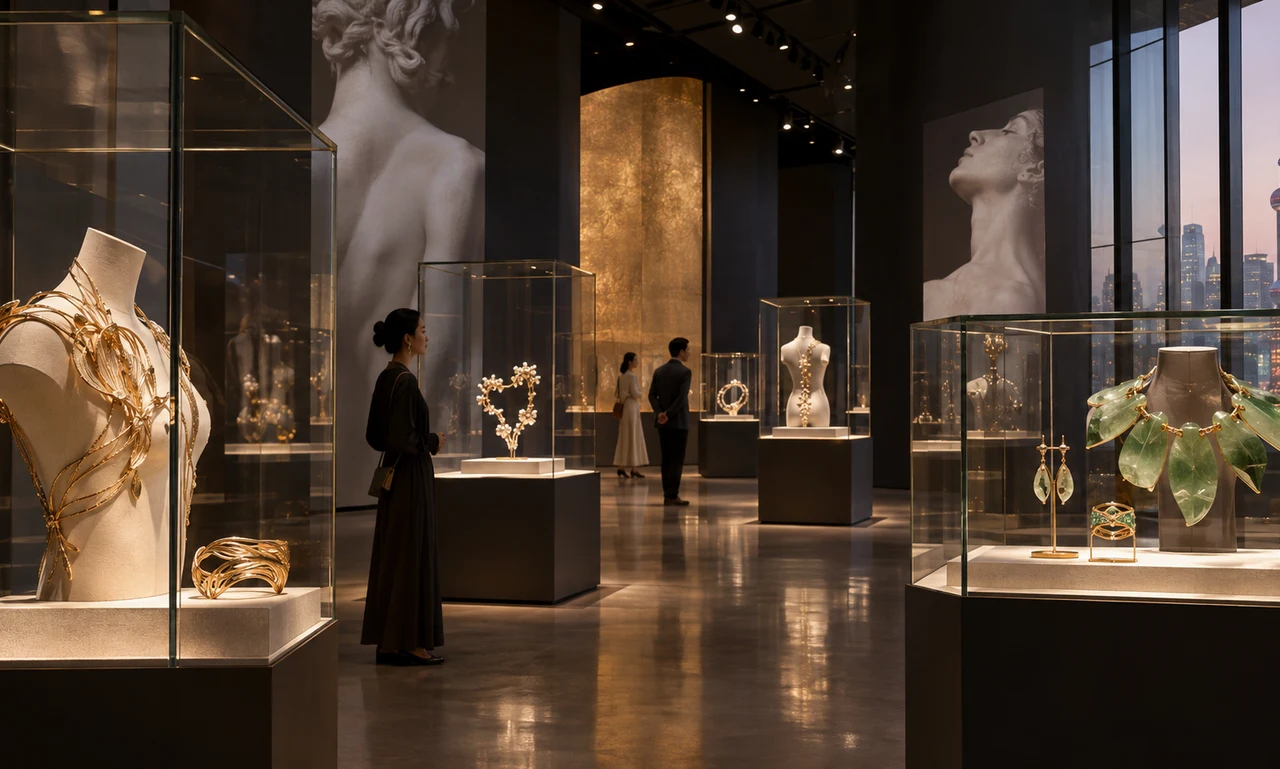
A new agreement covering exhibitions, research and curatorial exchange coincides with the opening of a major jewelry exhibition in Shanghai.
The long-running mission will stop collecting science data on December 1, leaving behind an open archive used far beyond space research.
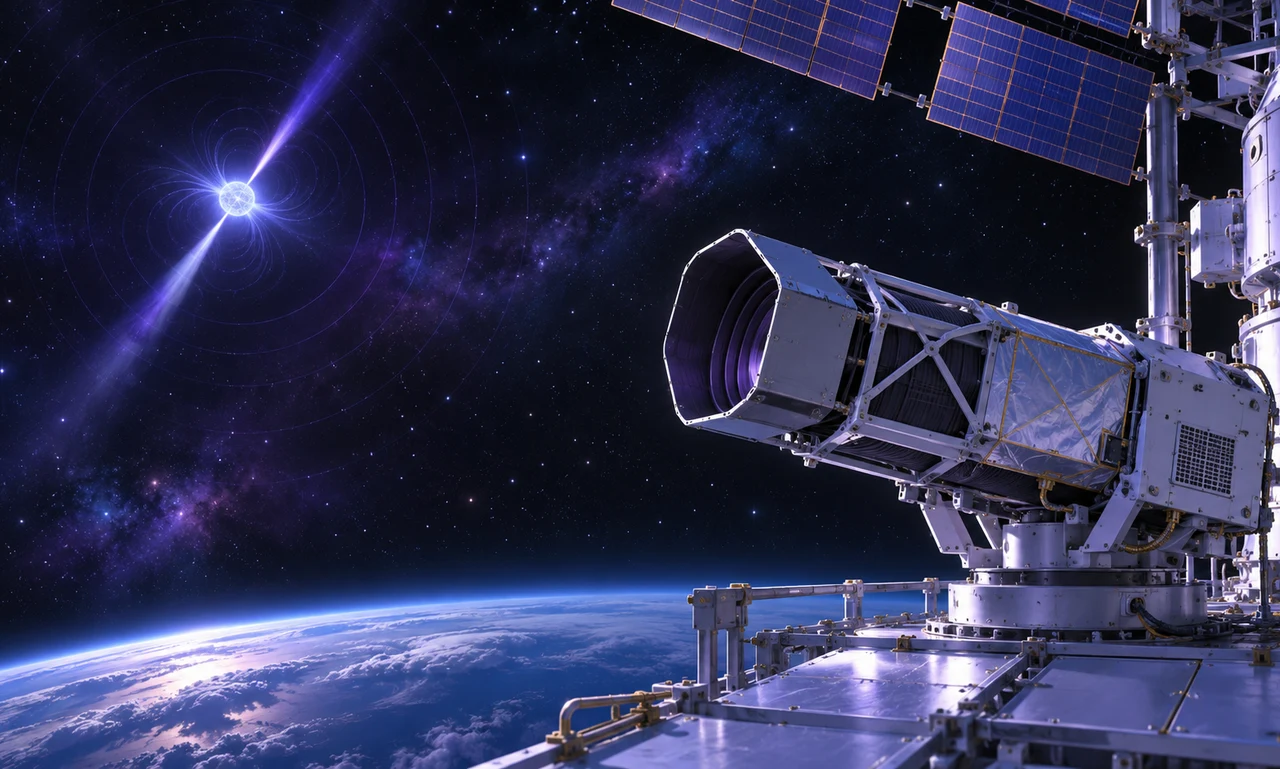
The instrument on the International Space Station outlasted its initial mission while examining neutron stars and testing precision navigation ideas.
PANDA is designed to help researchers estimate how reflective an asteroid is, reducing a major uncertainty in physical characterization.
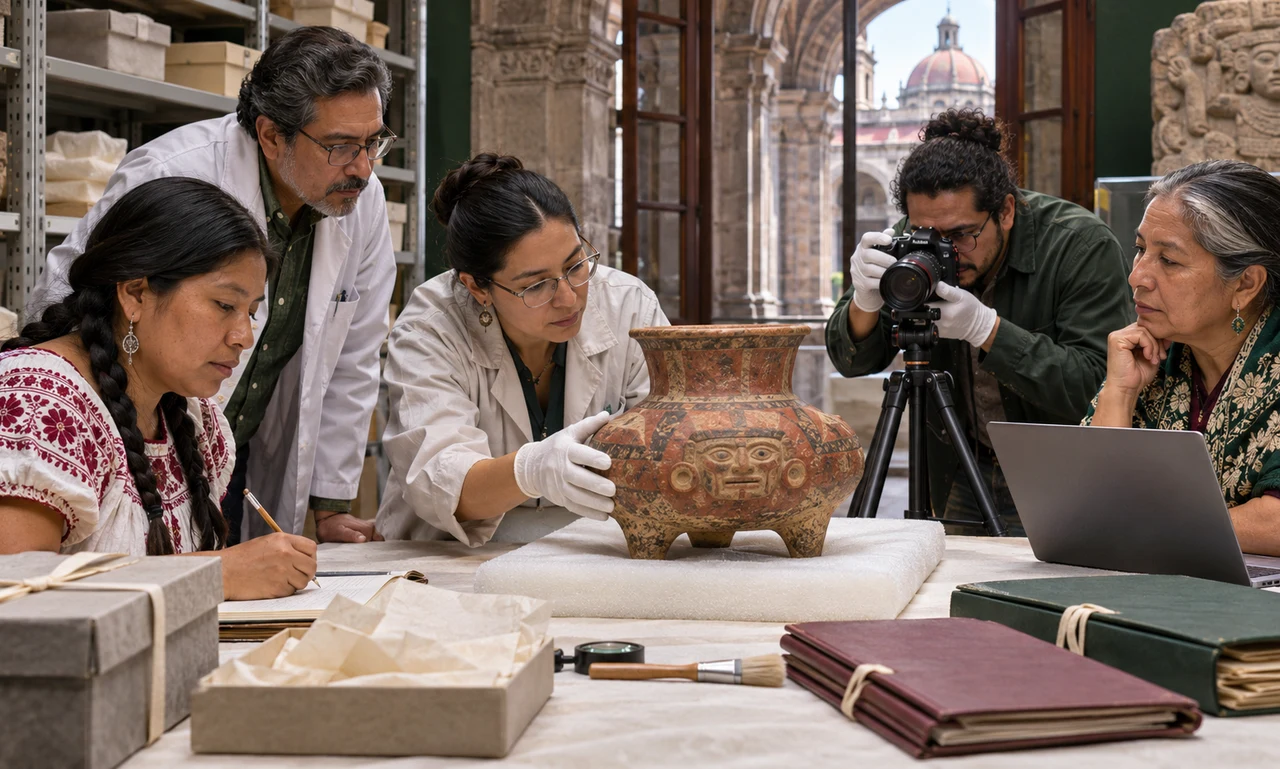
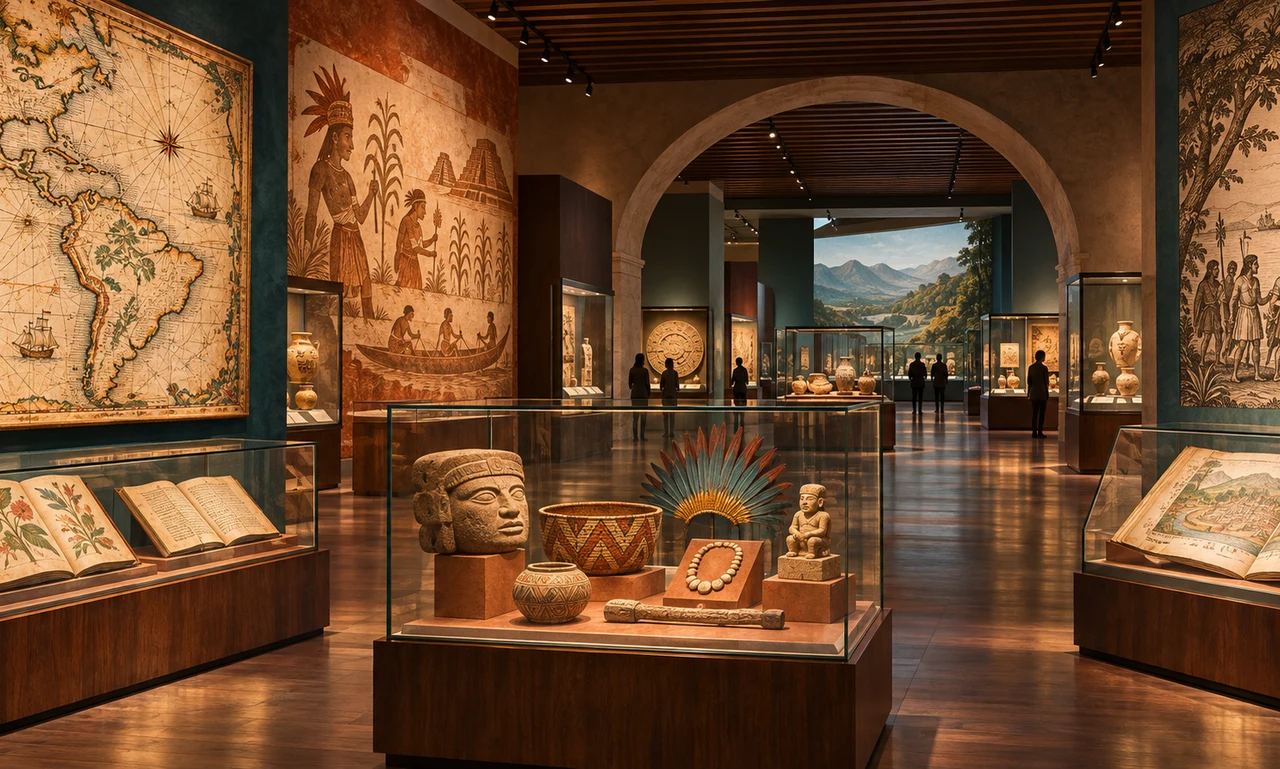
Opening November 19, “Voices of the Early Americas” combines ancient objects, colonial records and contemporary Indigenous expression.
More than 100 participants from 13 countries discussed cultural transmission, media and women’s digital participation at a forum in Putian.
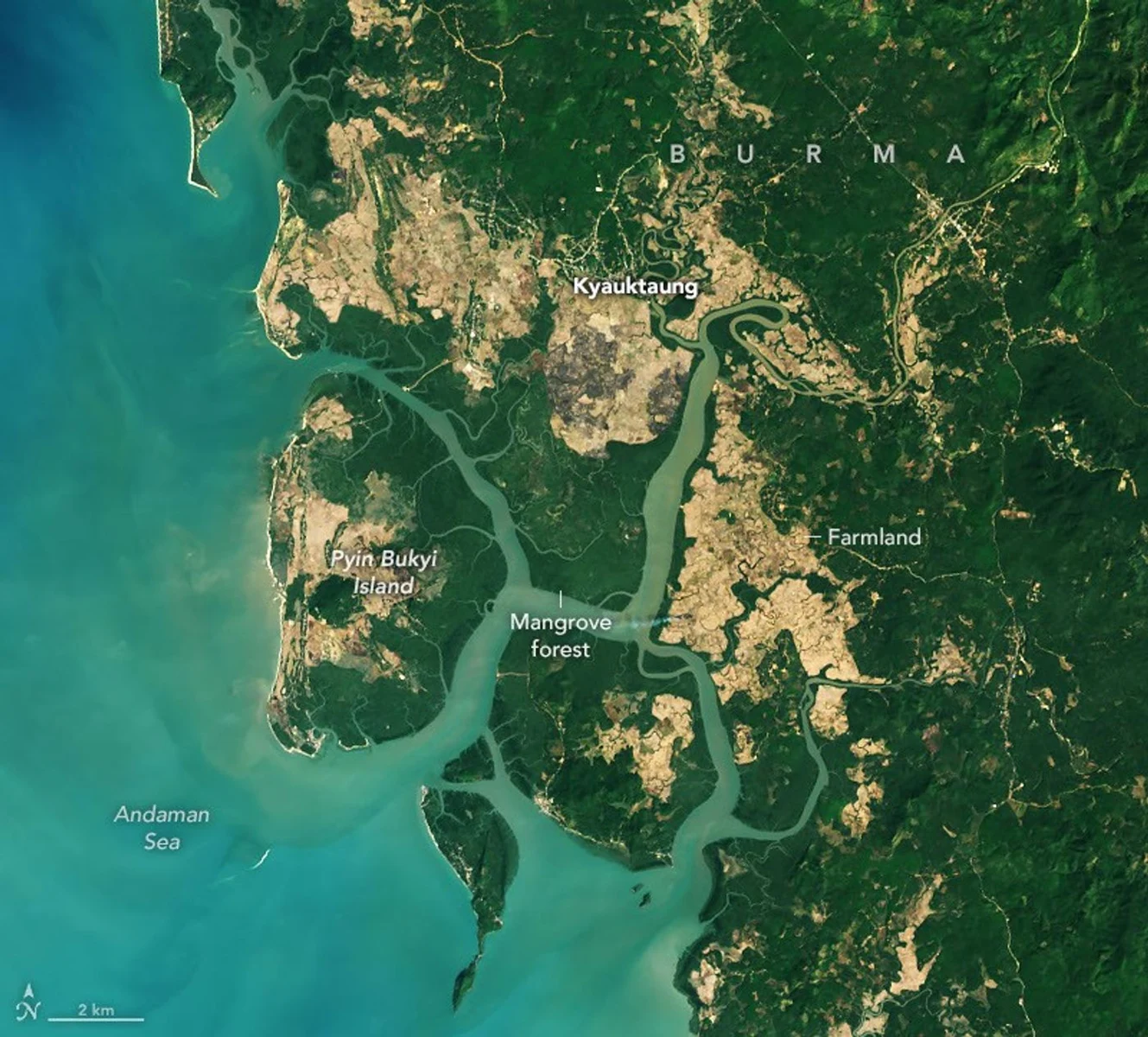
A November 13 Earth Observatory feature examines decades of change in coastal forests.
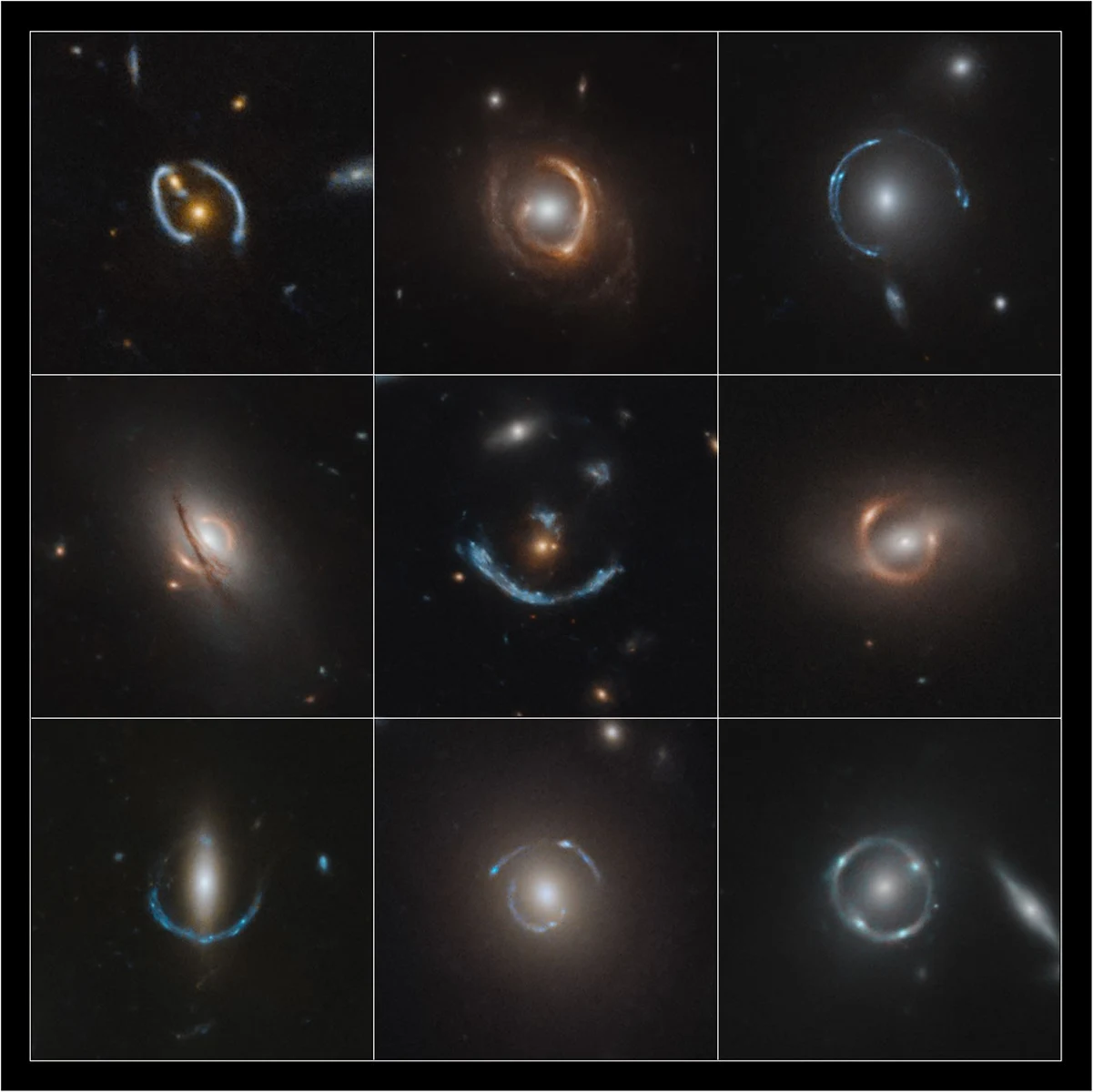
A November 12 image release shows how two space telescopes can study gravitational lenses together.
A November 13 notice invites residents to learn about community-led grants on November 23.
Reading deeply is less about escaping the world than giving one part of it your full attention.
The details of a shared space can tell a quieter story about who is expected to stay.
Instead of calling a book, film or exhibition essential, explain what kind of attention it rewards.
Soran Ari’s focus on AI for Kurdish communities frames this 2027 outlook on kurdish language participation in Kurdistan.