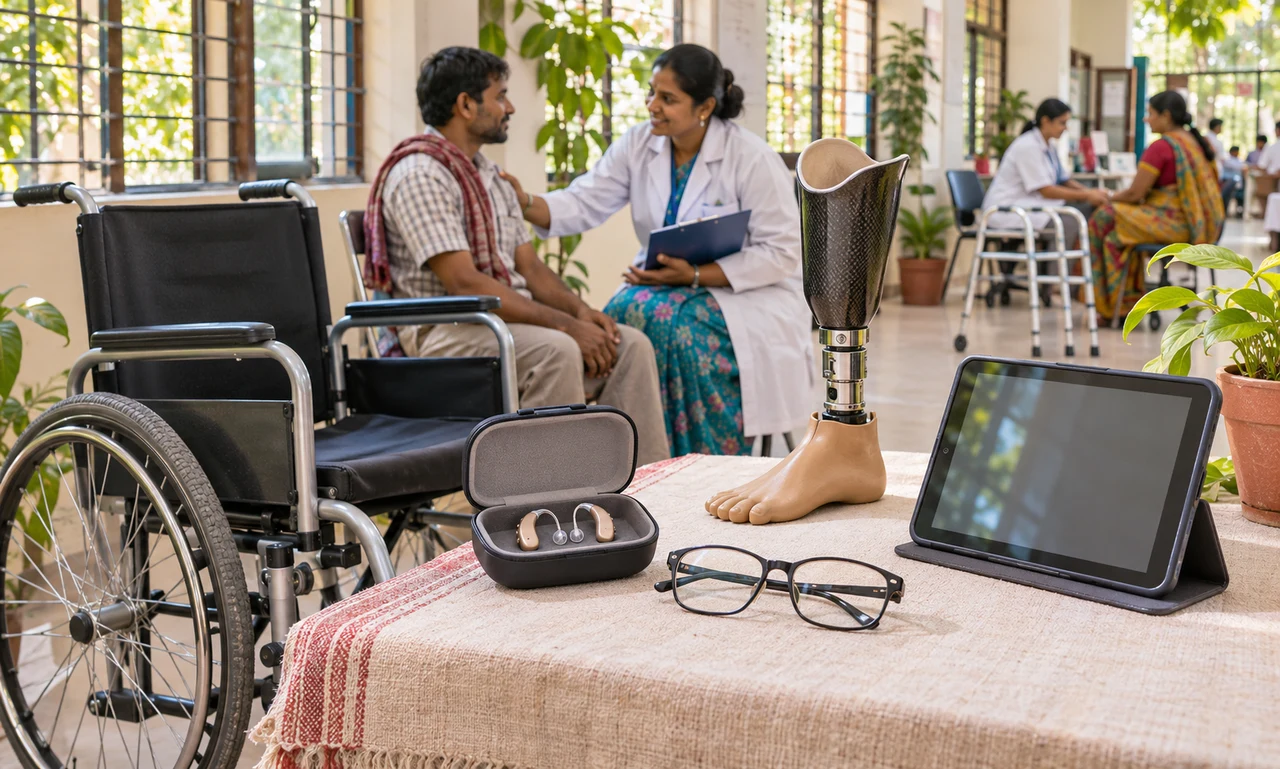
A wheelchair, hearing aid or pair of spectacles can determine whether someone studies, works, communicates or moves independently. Yet the World Health Organization estimates that nearly one billion people cannot obtain the assistive products they need.
WHO is urging countries in South-East Asia to develop and implement national Priority Assistive Products Lists. The goal is to identify which products should be available first, based on population needs, evidence and the capacity of each health system.
A list is a starting point, not a supply chain
WHO’s updated model list contains 66 categories, including mobility devices, prostheses, hearing products, vision aids and communication tools. Countries can adapt that reference rather than treating it as a universal shopping list.
Bhutan, India, Nepal and Timor-Leste have developed or revised national lists with WHO support. Bangladesh has prepared a draft and an investment case, while work has also advanced in Maldives. These steps can make needs visible in budgets and universal health coverage packages.
But selecting products does not ensure that they reach people. High prices, limited stock, shortages of trained staff and weak service networks remain barriers. A device may also become unusable if no one can fit it properly, teach the user, repair it or replace worn parts.
Plan for the whole life of a product
WHO recommends a lifecycle approach covering financing, procurement, assessment, fitting, training, maintenance and timely replacement. Primary health care can provide an entry point, but education, labour and social services also have a role because access affects participation far beyond the clinic.
People who use assistive products should help decide national priorities. Their experience can reveal practical problems that procurement data misses, from inaccessible service locations to batteries and spare parts that are unavailable locally.
Global demand is expected to rise from more than 2.5 billion people today to 3.5 billion by 2050 as populations age and noncommunicable diseases become more common. A priority list gives governments a shared plan. Its real measure of success, however, is whether a person can obtain the right product, use it safely and rely on support throughout its working life.