The Metropolitan Museum of Art and the Shanghai Museum have formalized a new agreement to expand collaboration on exhibitions, research, loans and curatorial exchange. The memorandum of understanding was signed in Shanghai on November 16, building on a relationship that began more than four decades ago.
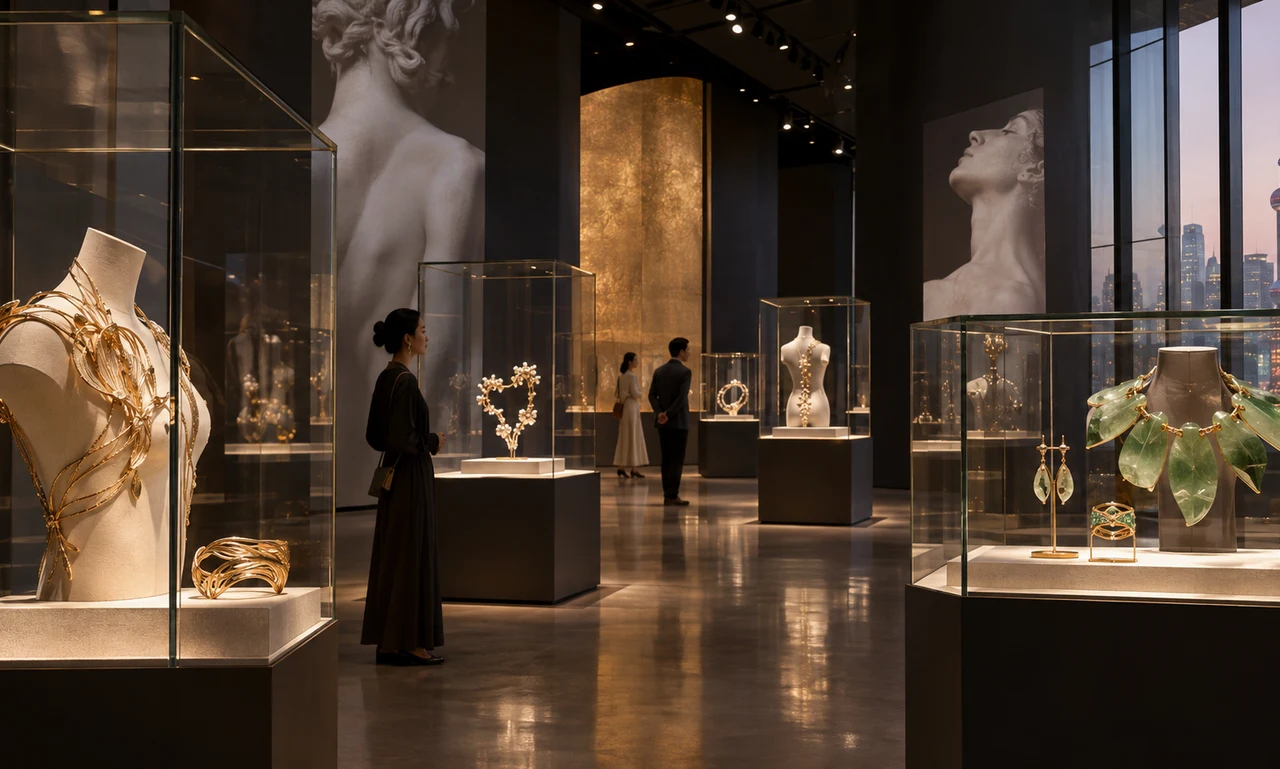
The agreement arrives alongside the November 18 opening of Jewelry: The Body Transformed, Treasures from The Metropolitan Museum of Art at Shanghai Museum East. The exhibition draws largely from The Met’s collection and includes works from the Shanghai Museum. It will remain on view through May 5, 2027.
Jewelry as art, identity and social meaning
The touring exhibition approaches jewelry as more than decoration. Across cultures and periods, objects worn on the body can communicate status, belief, memory, protection and personal identity. Bringing works from two collections into one gallery allows those functions to be compared across time and place.
The institutions’ exchanges date to 1980, when the Shanghai Museum participated in The Met’s The Great Bronze Age of China. Since then, they have shared loans for exhibitions involving Chinese painting, calligraphy, ceramics, ritual bronzes and modern art.
From individual loans to longer-term exchange
The new agreement broadens the relationship beyond a single exhibition. Joint research and curatorial exchange can shape how collections are studied and interpreted before objects enter a gallery. Staff collaboration can also deepen knowledge about conservation, historical context and audiences.
In 2025, the museums jointly organized Recasting the Past: The Art of Chinese Bronzes, 1100–1900, bringing together about 200 works from collections around the world. The Met also plans to lend five works for a Shanghai exhibition marking the 400th anniversary of the birth of painter and calligrapher Bada Shanren, opening in December.
Long-running museum partnerships are often most visible through major loans, but their deeper value can lie in the shared scholarship and professional relationships that make those exhibitions possible.