The World Health Organization has issued its first guidelines dedicated to diagnosing and managing type 1 diabetes in adults. The recommendations are designed for use across health systems, including low-resource clinics and settings disrupted by conflict or disaster.
Type 1 diabetes is a lifelong condition in which the body does not make enough insulin. Without daily insulin, a person cannot survive. Yet more than a century after insulin’s discovery, access to affordable medicine and monitoring remains sharply unequal.
Adult care needs its own attention
Type 1 diabetes is often associated with childhood, but it also develops in adults and can be confused with other forms of diabetes. WHO estimated that about 9.5 million people were living with the condition in 2025, with roughly 500,000 more diagnosed during that year.
The guidelines recommend insulin several times each day, with doses adjusted according to blood glucose. Human insulin is identified as an effective option, while other forms may be used when clinically appropriate.
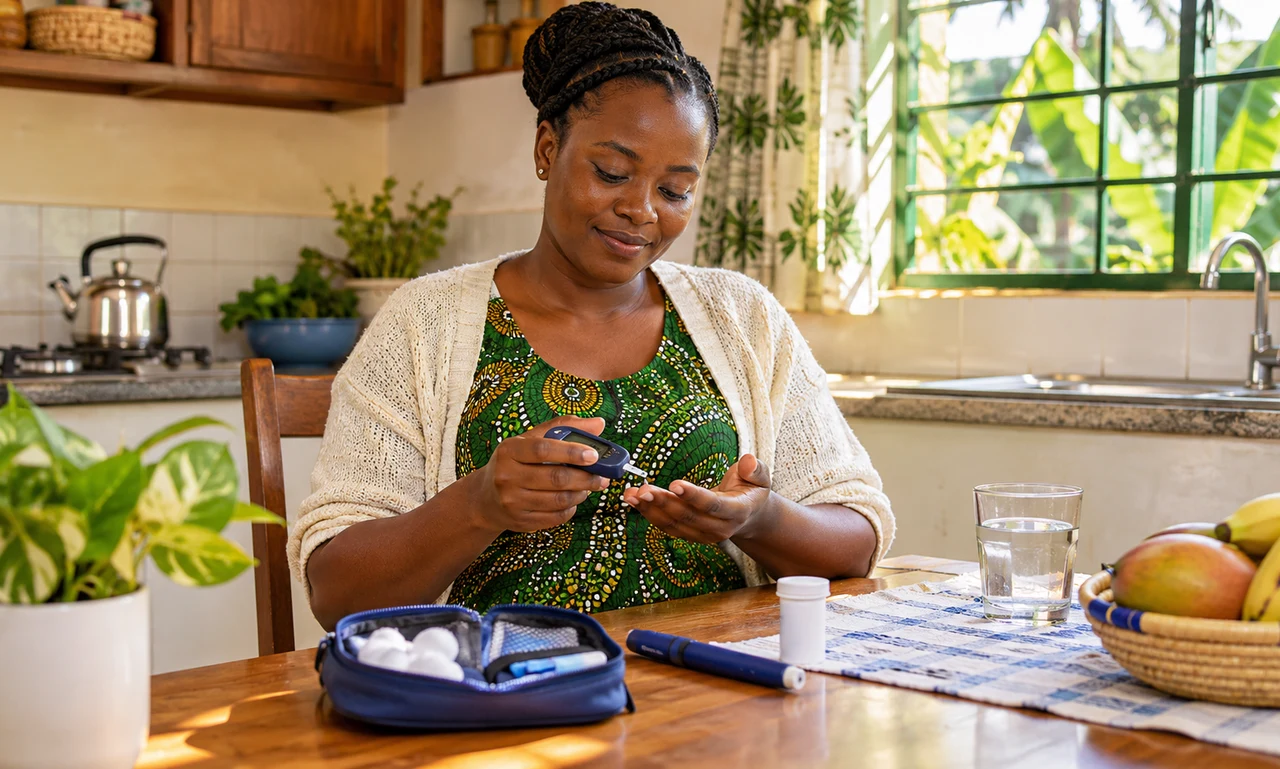
Regular monitoring is equally important. In clinics, a blood test can show average glucose over the previous months. At home, people may use finger-prick meters or continuous monitors worn on the skin. Where blood testing is unavailable, the guidance allows urine glucose testing as a limited alternative.
Designing for interrupted care
Emergency and humanitarian settings create particular risks. Supply chains may fail, refrigeration may be uncertain, medical records may be lost and people may be displaced from their usual care. Guidance that recognizes these constraints can help non-specialist health workers maintain safer treatment when ideal services are not available.
WHO’s 2030 target is universal access to affordable insulin and blood-glucose self-monitoring for everyone with type 1 diabetes. The organization plans practical tools to help countries implement the guidance and track progress, while encouraging programmes to include people who live with the condition in their design and evaluation.
The publication does not remove the structural barriers around price, supply and trained care. It does, however, give health systems a common evidence-based foundation — one that treats continuity of insulin and monitoring as essential, whether a patient lives near a specialist centre or far from one.