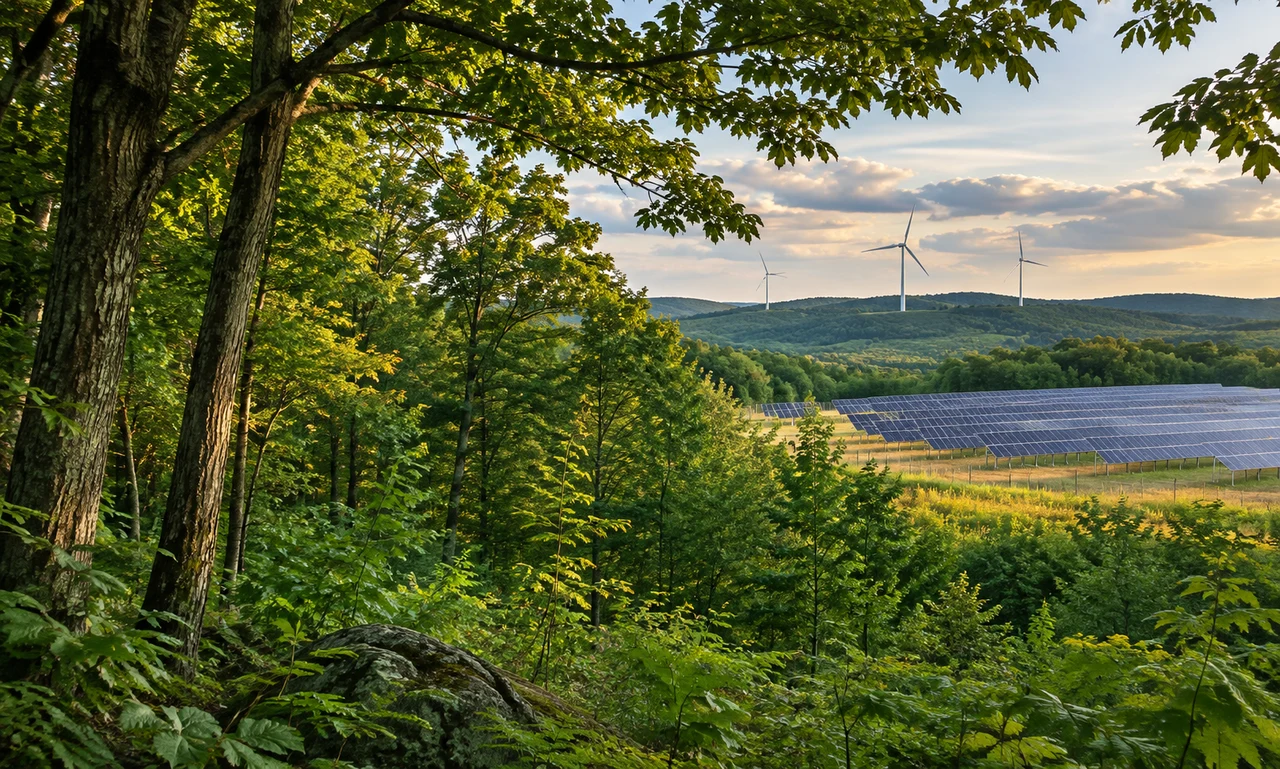
Replacing fossil fuels is essential, but not every low-carbon project is automatically gentle on land. The United Nations Environment Programme is warning that biofuel expansion, mineral extraction and energy infrastructure can place new pressure on forests unless governments plan energy and conservation together.
The tension is easy to miss when policies are assessed in separate departments. An energy mandate may reduce petroleum use while increasing demand for crops, roads or mines. A forest target may protect one area while development shifts into another.
Land use changes the carbon calculation
Bioenergy is often described as carbon neutral because plants absorb carbon while growing. That accounting can fail when forests are cleared, peat is disturbed or food production is displaced onto new land. In those cases, the emissions associated with land conversion may exceed the fossil emissions a fuel was meant to avoid.
Source and application matter. Fuels made from waste and residues can offer advantages, particularly in aviation, shipping and some industrial processes where direct electrification remains difficult. Dedicated energy crops, however, can demand large areas. UNEP notes that producing electricity from such crops may require almost 30 times as much land as ground-mounted solar panels.
Plan the transition as one connected system
The agency recommends joint energy-and-land planning, stronger efficiency, wider electrification and renewable installations placed on suitable sites. Full lifecycle accounting should include land conversion, transport, processing and the time required for vegetation to recover.
Community rights are equally important. Forests are homes, livelihoods and cultural landscapes as well as carbon stores. Consultation that begins after a site has been chosen cannot replace participation in the decisions that determine what is built and where.
The message is not an argument for slowing the transition. It is a case for making it more rigorous. Climate policy loses credibility if emissions fall on paper while biodiversity, water and local communities absorb hidden costs. A durable energy system must protect the living systems around it — not simply move damage from the atmosphere onto the ground.