Environment
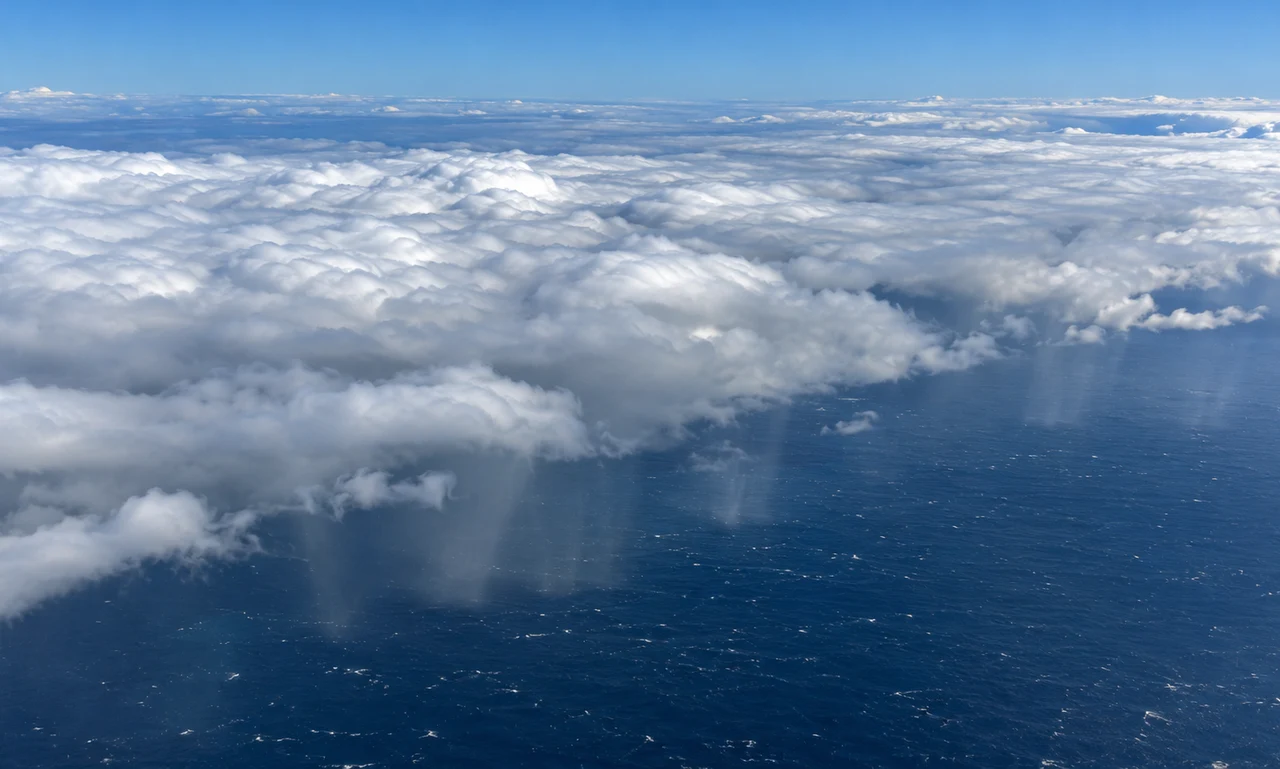
Rain can dismantle the cloud decks that help cool Earth
EarthCARE observations show how drizzle can trigger a feedback loop that breaks bright marine clouds into more open patterns.
Original perspectives from News Magazines.
EarthCARE observations show how drizzle can trigger a feedback loop that breaks bright marine clouds into more open patterns.
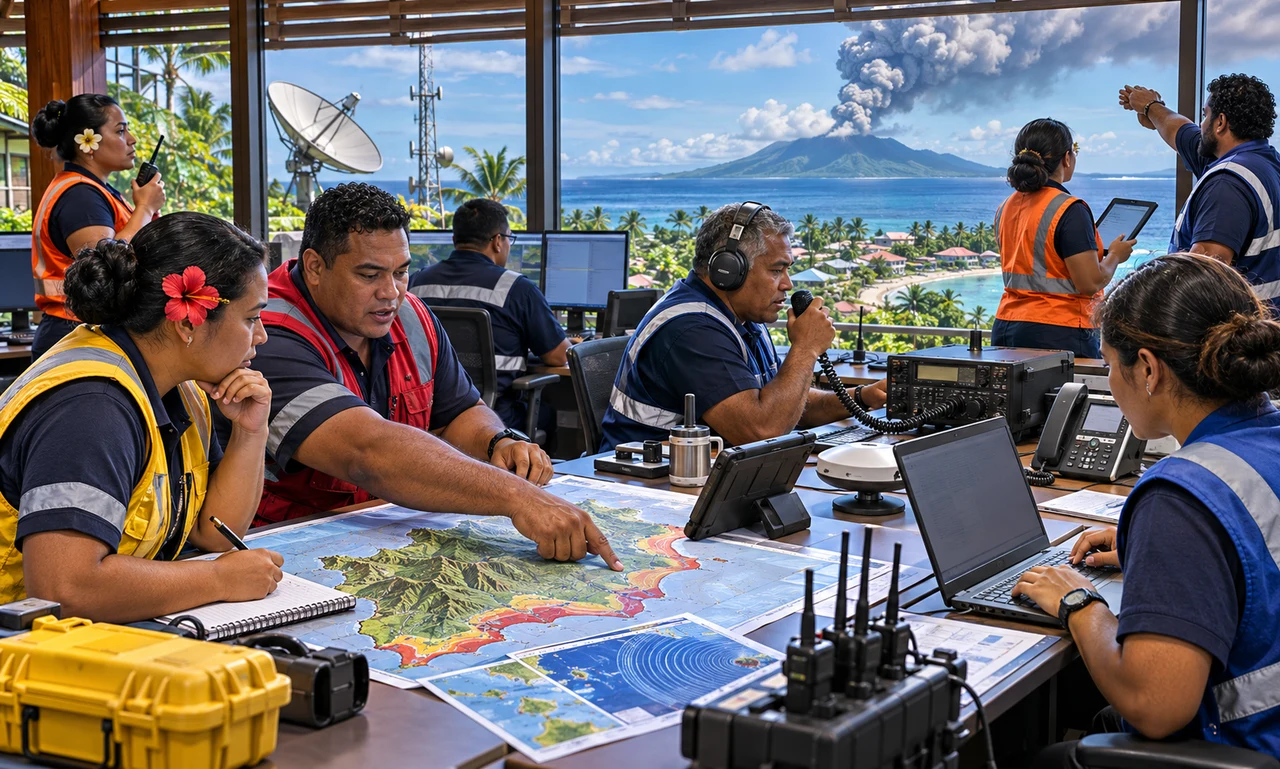
Pacific Wave 2026 simulated overlapping volcanic tsunamis to test warnings, backup communications and national coordination.
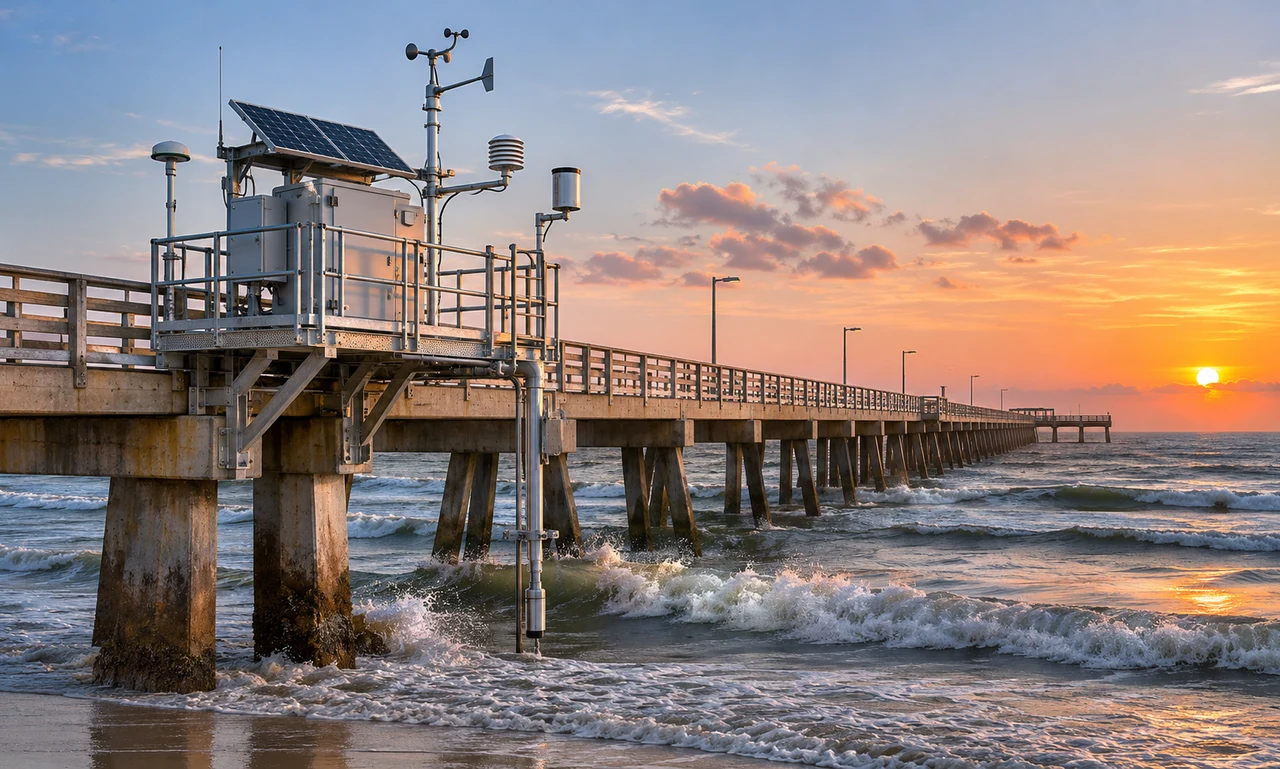
NOAA’s new Corpus Christi station combines tide, weather and temperature data on an elevated platform designed for coastal flooding.
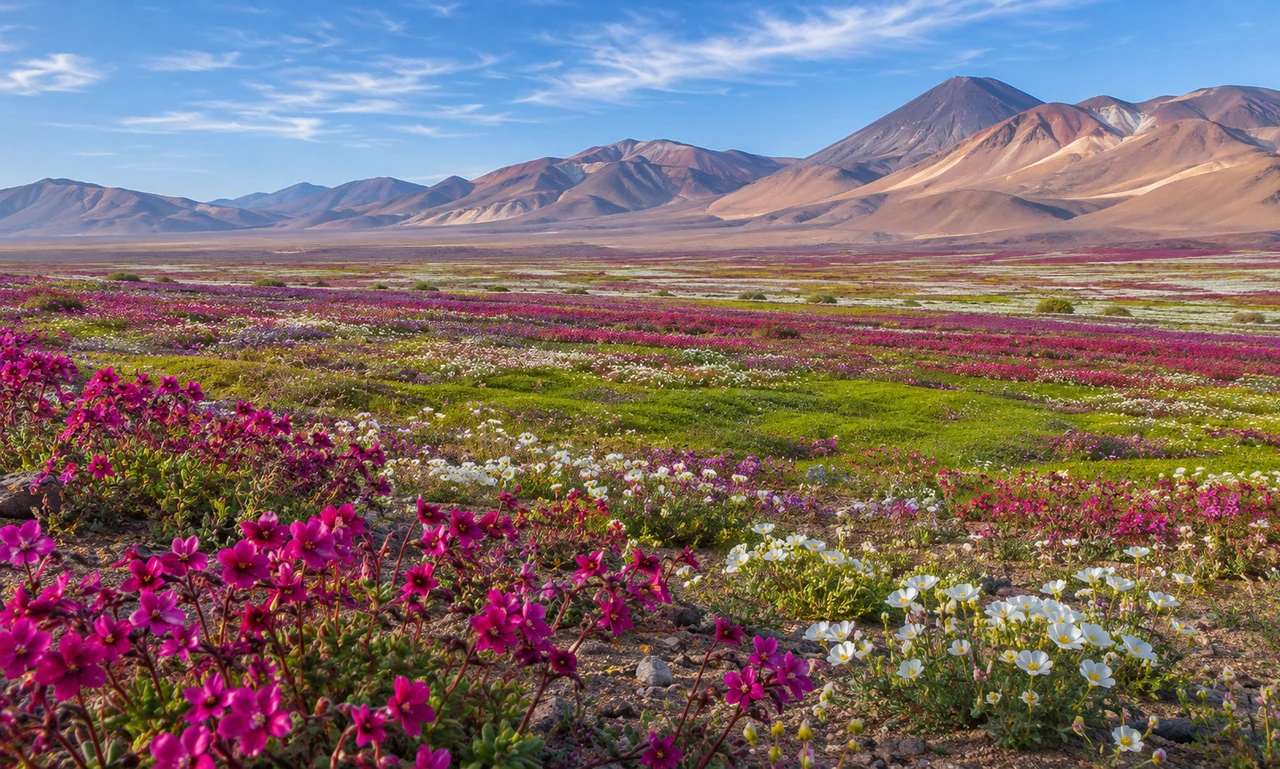
Satellite observations show red-purple, green and white blooms spreading across one of Earth’s driest landscapes after an unusually wet winter.
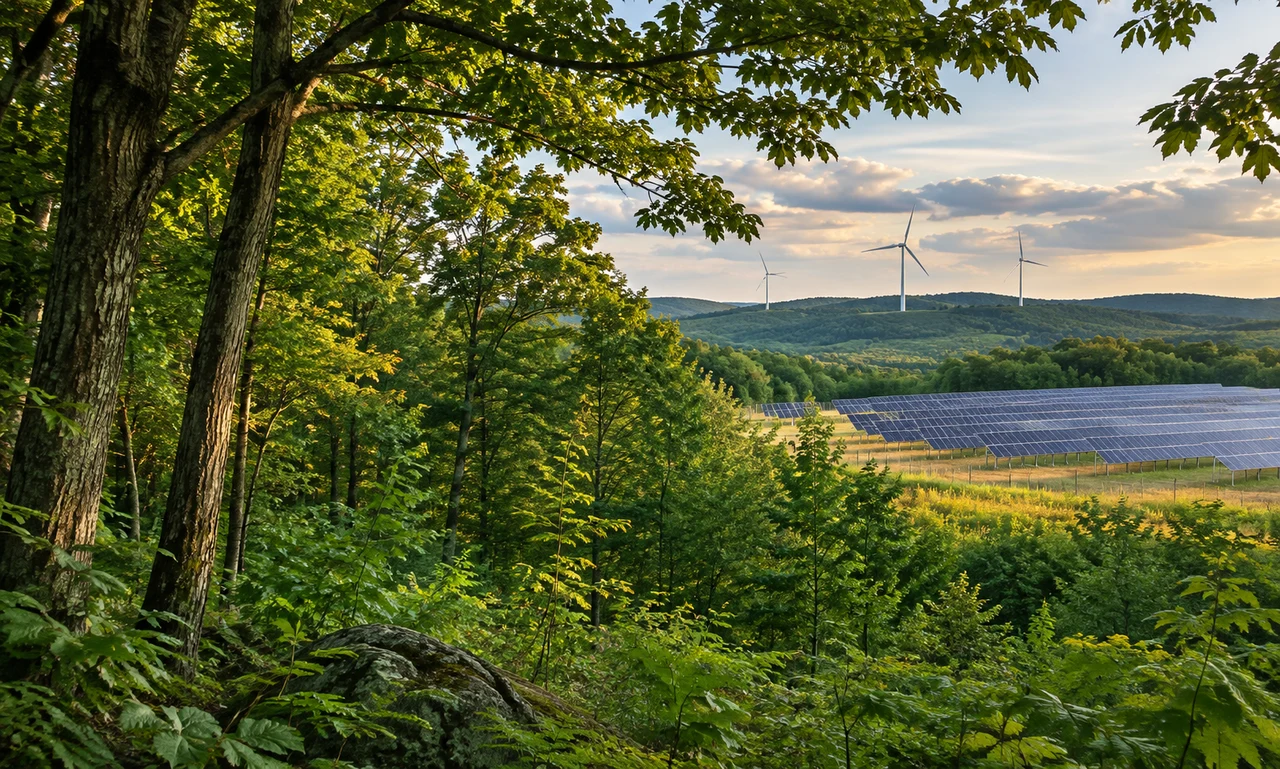
Biofuel crops, mining and new infrastructure can shift environmental pressure onto land unless energy and forest policies are planned together.
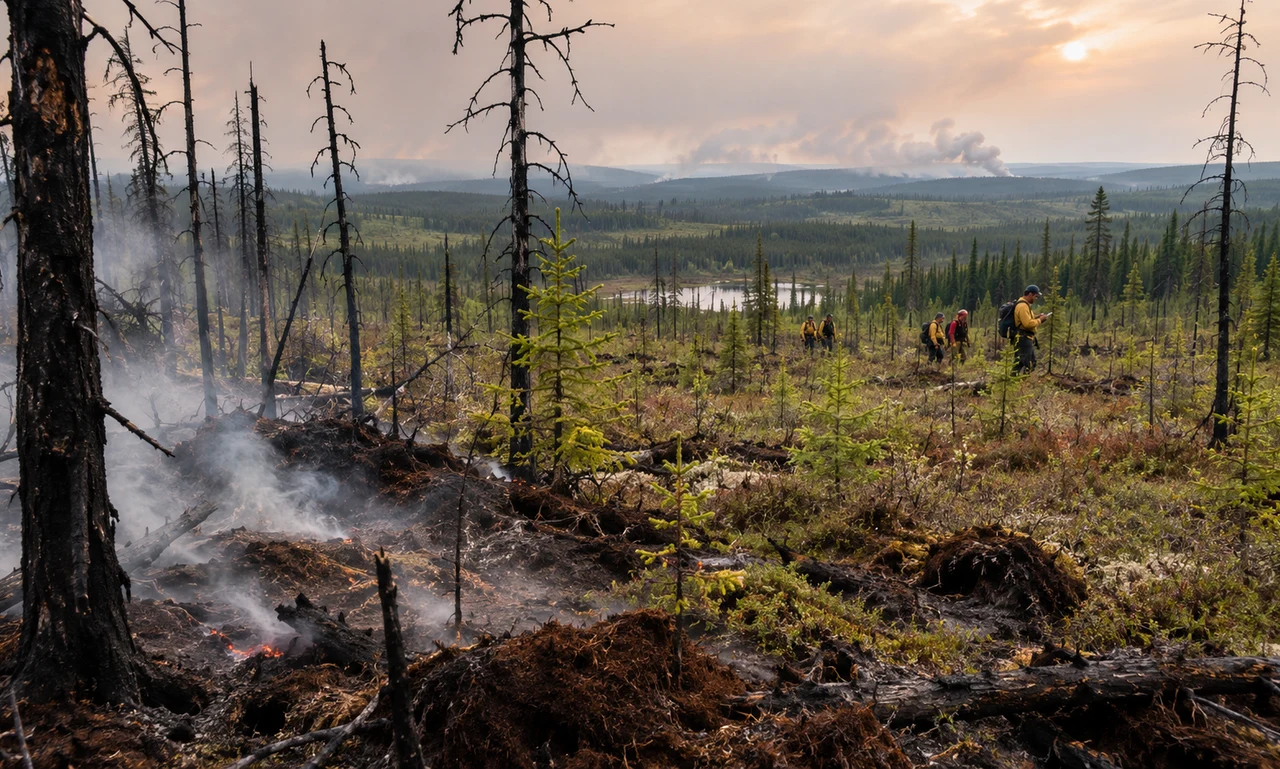
A new assessment warns that repeated wildfires may transform boreal ecosystems and release carbon long after temperatures eventually decline.
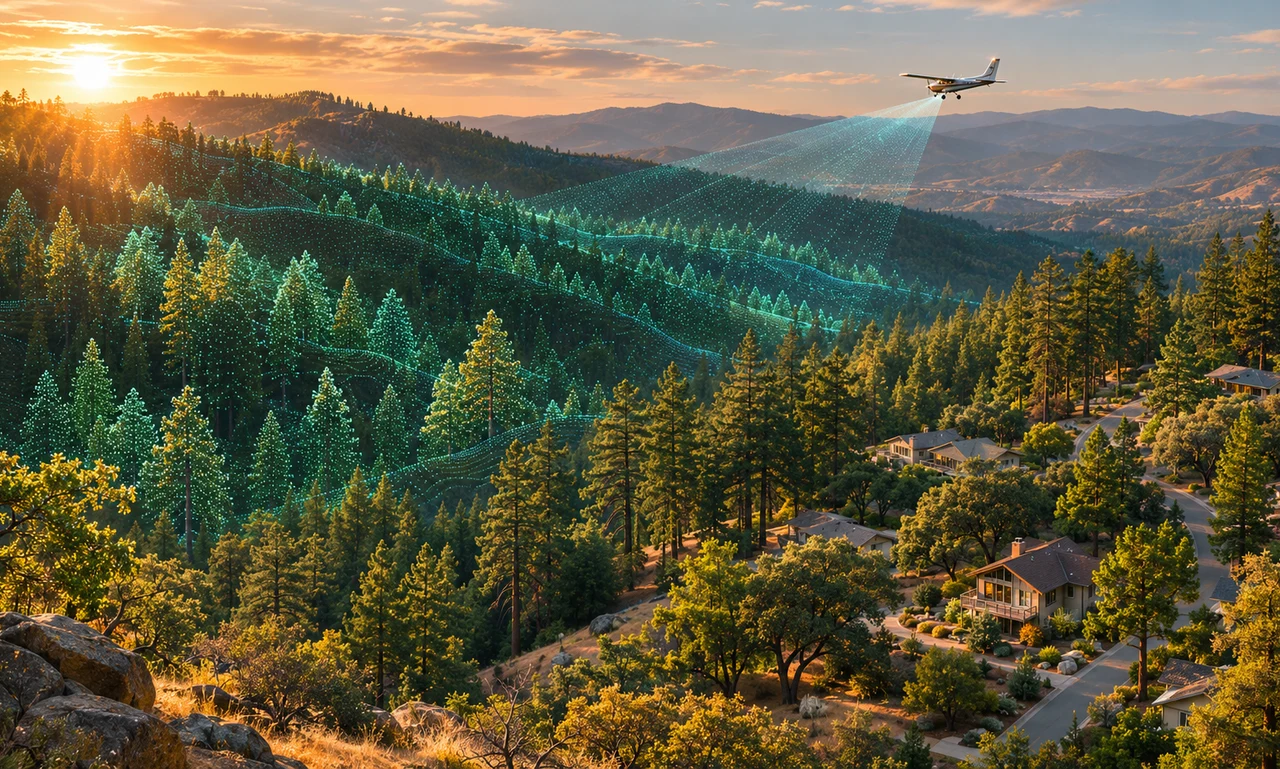
A statewide NASA mapping effort turns airborne laser measurements into a one-metre view of terrain, forests and communities.
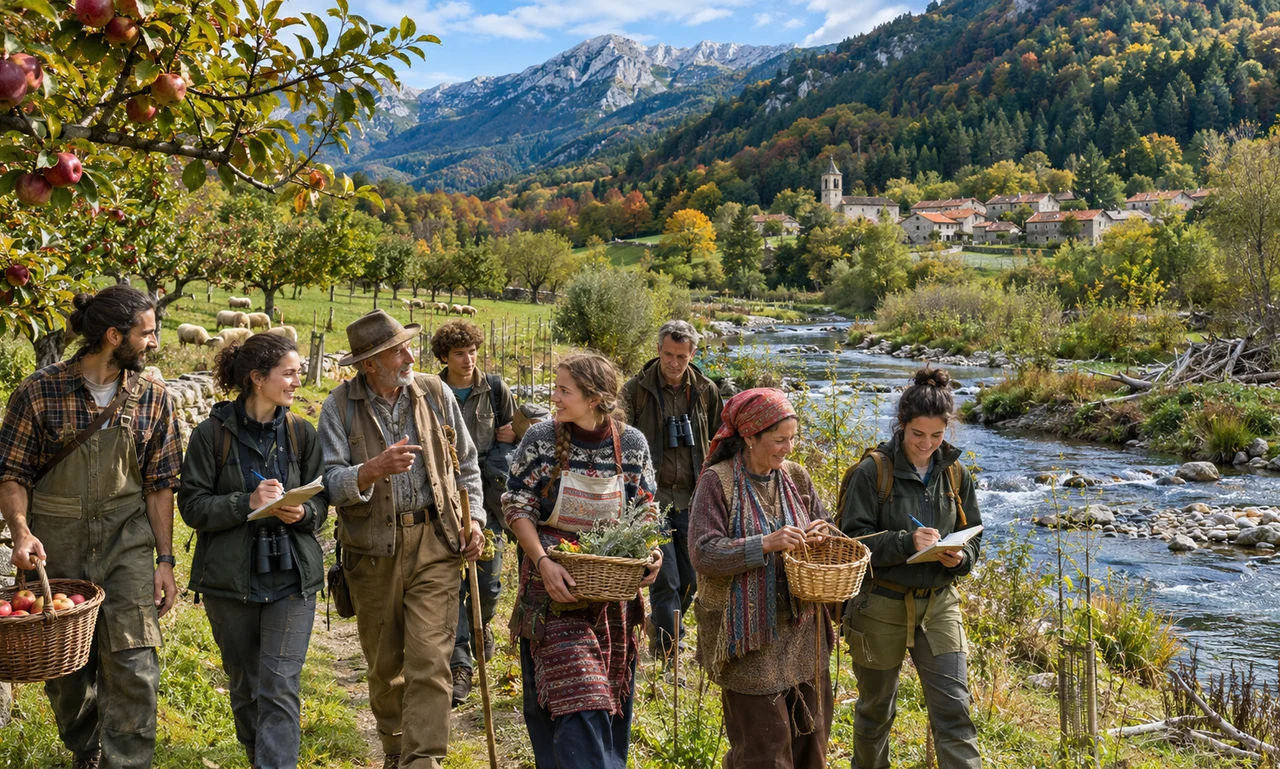
A UNESCO exchange highlights local products, shared governance and youth participation as practical tools for climate resilience.
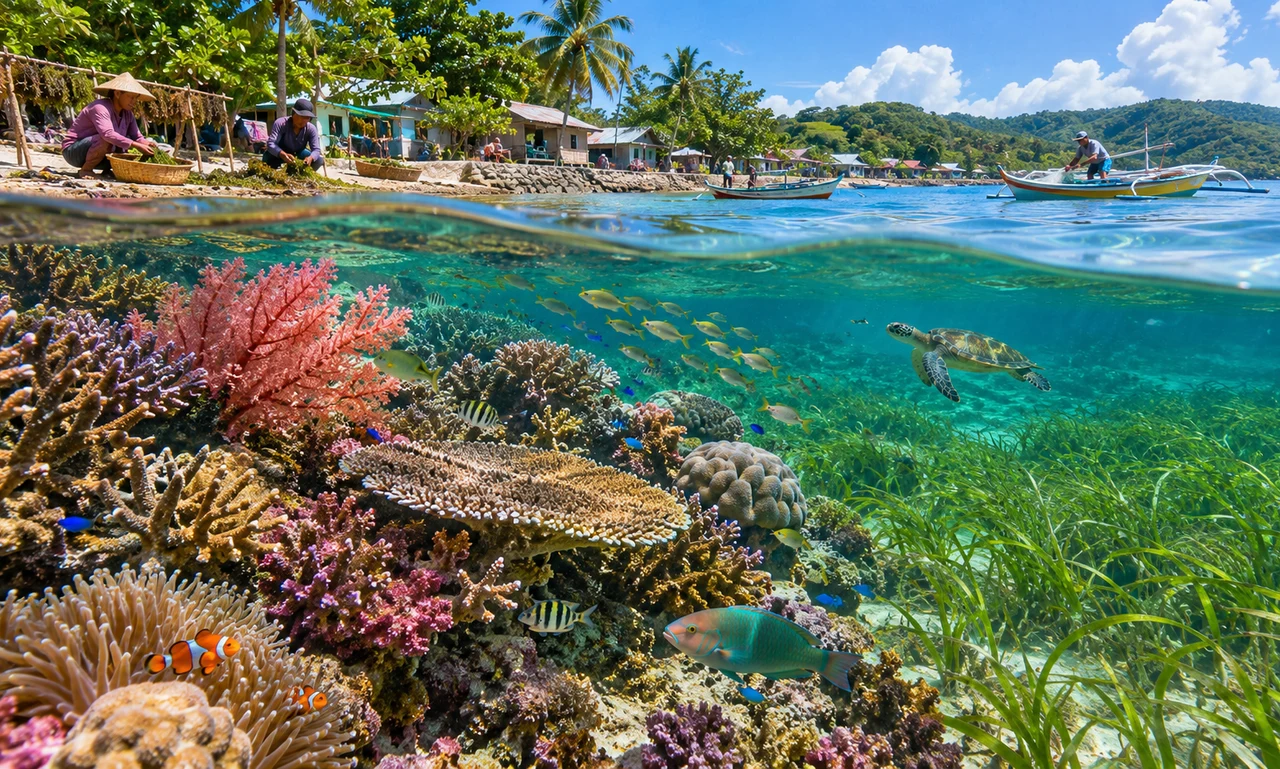
The COP31 package combines conservation funding, local lending and investment in businesses designed to support reefs and coastal communities.
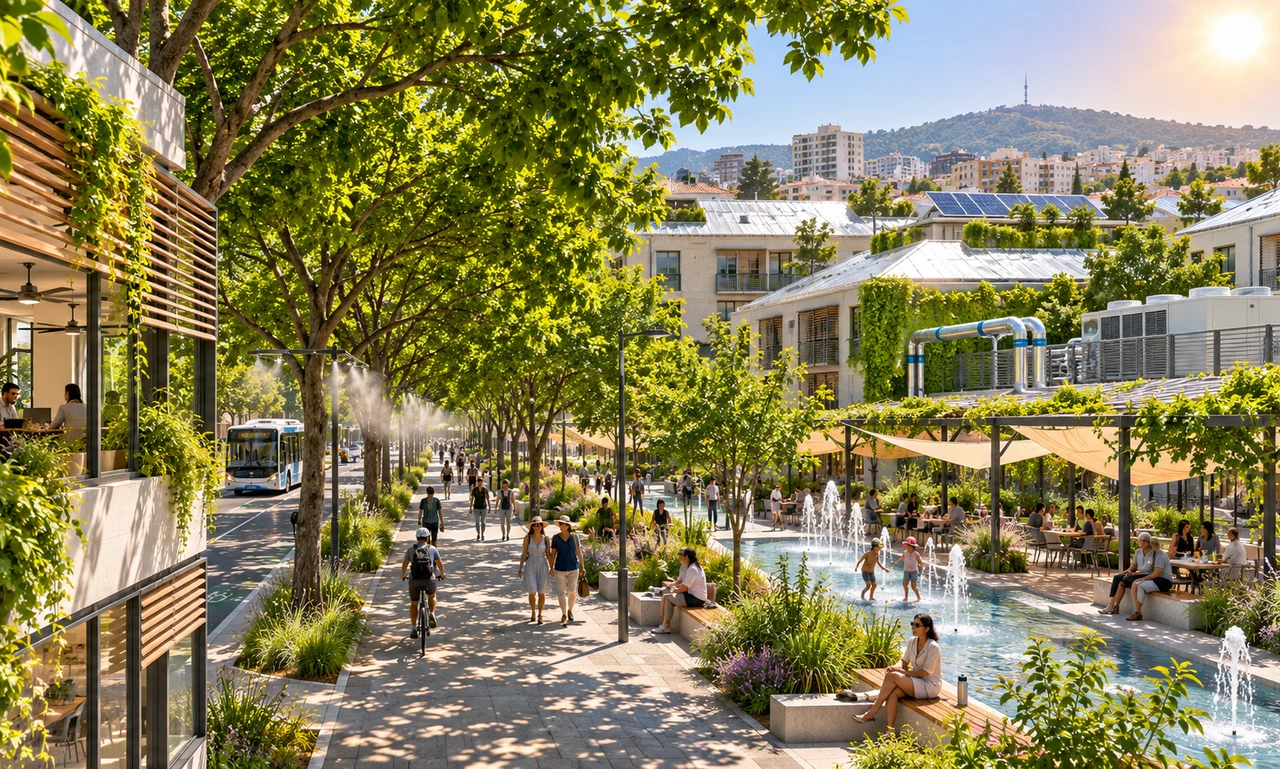
Countries backed a new roadmap and more than US$20 million in support for cooling access, efficient buildings and protection from extreme heat.
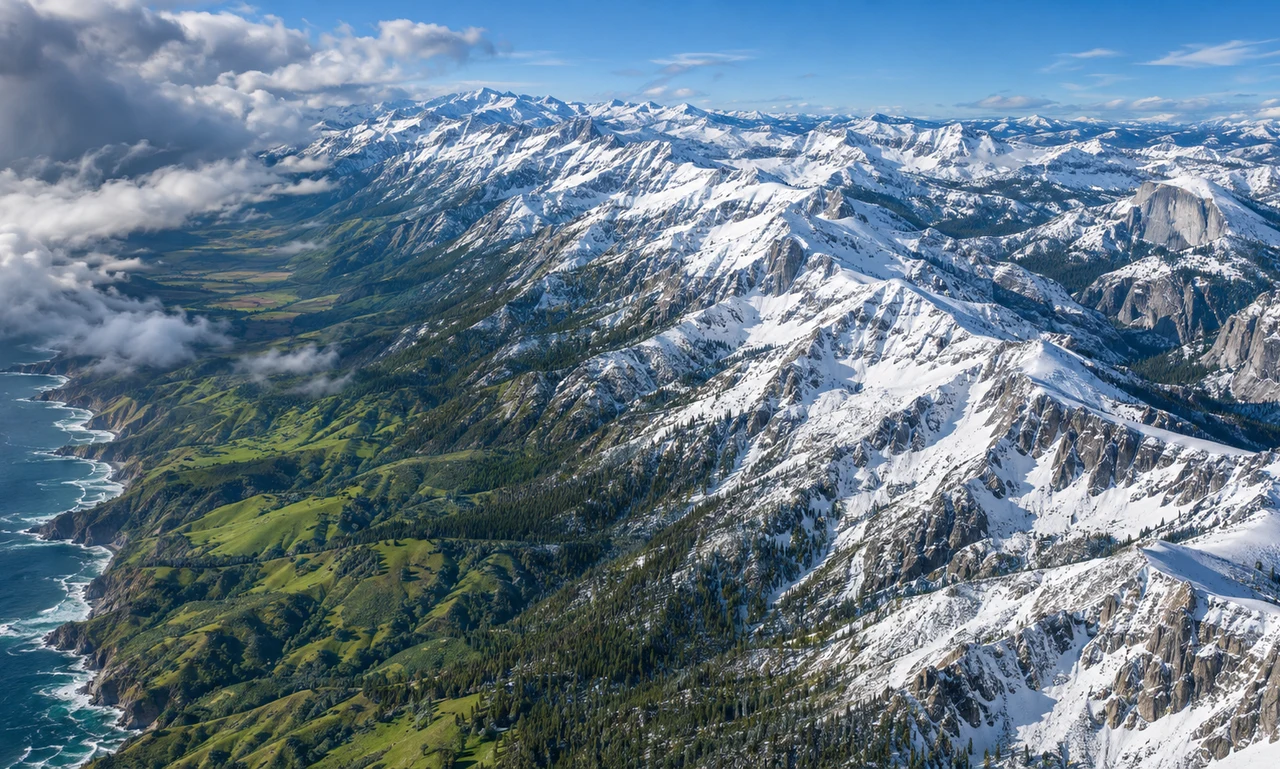
Satellite images show how quickly a mid-November storm covered California’s high country, with heavier mountain snow forecast to follow.
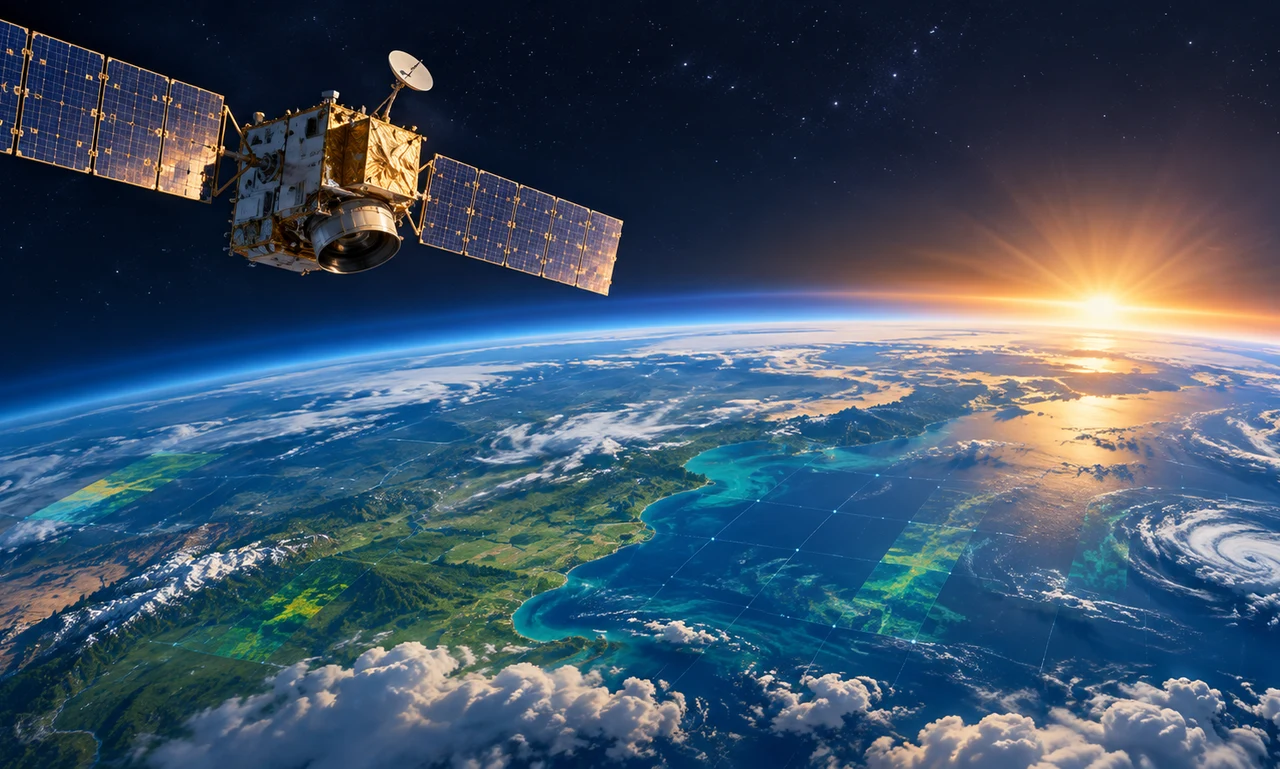
The long-running mission will stop collecting science data on December 1, leaving behind an open archive used far beyond space research.
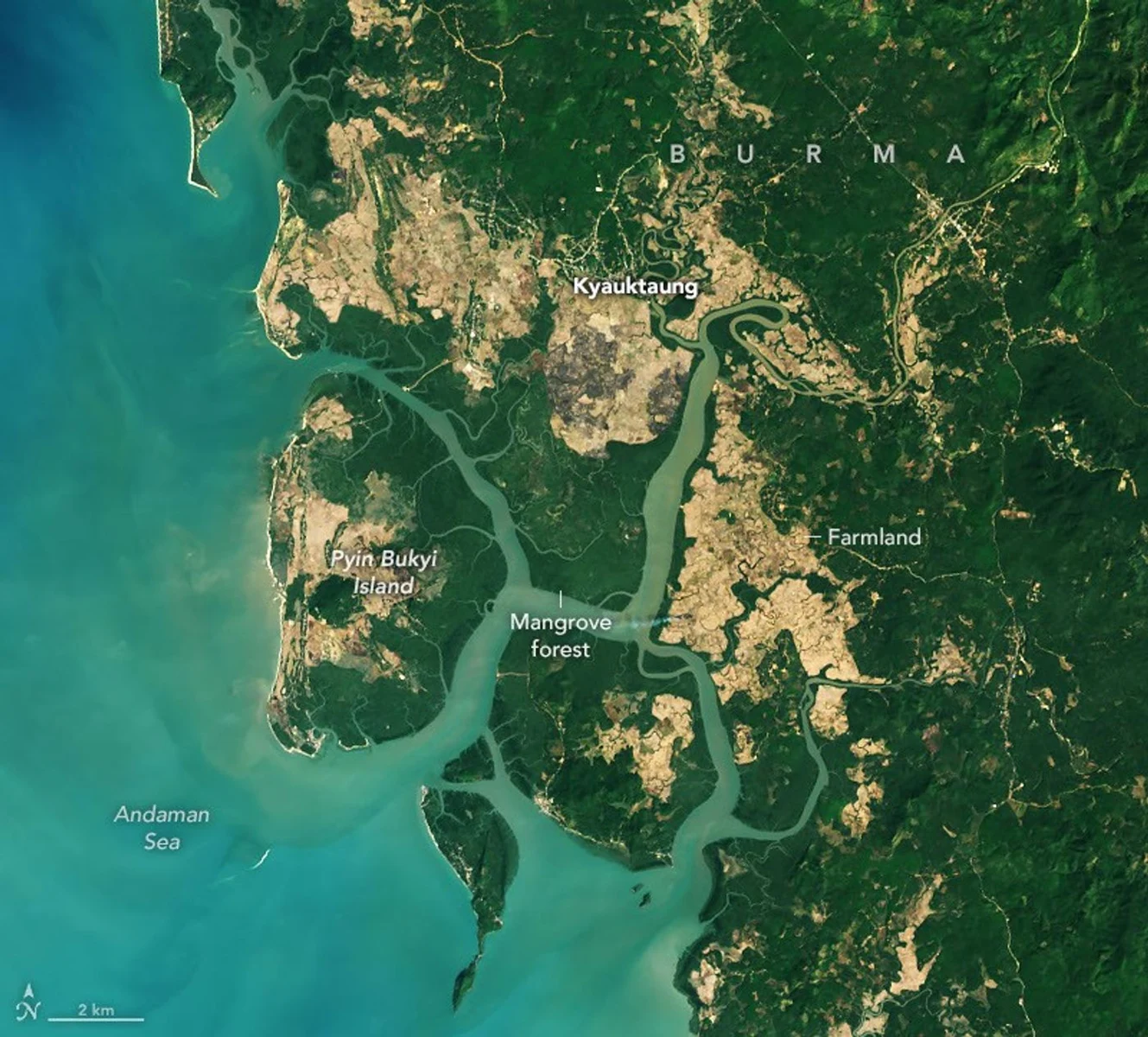
A November 13 Earth Observatory feature examines decades of change in coastal forests.